About Tanzania & Before You Travel
Karibu sana • Welcome
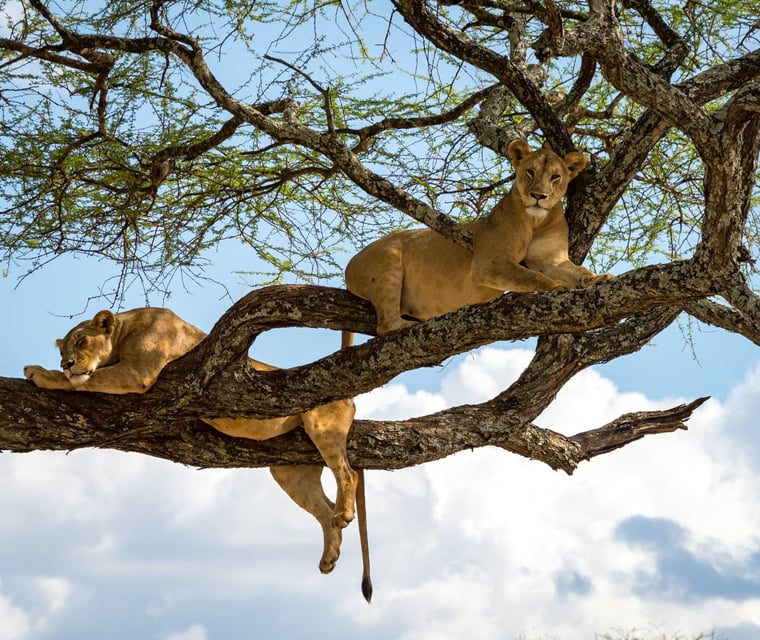
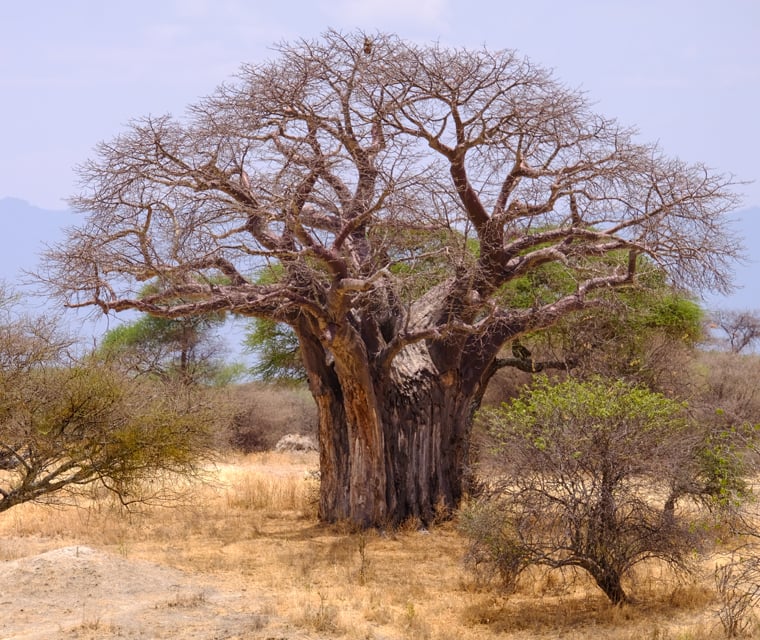
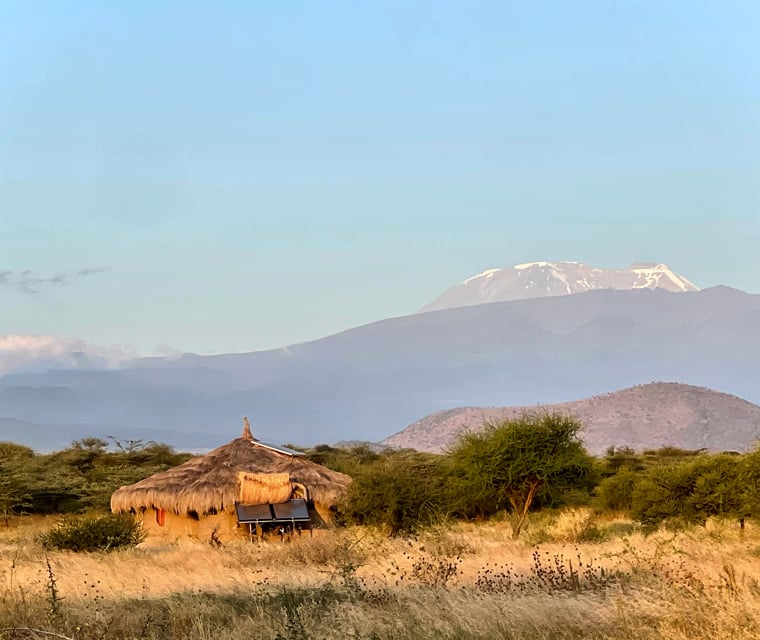
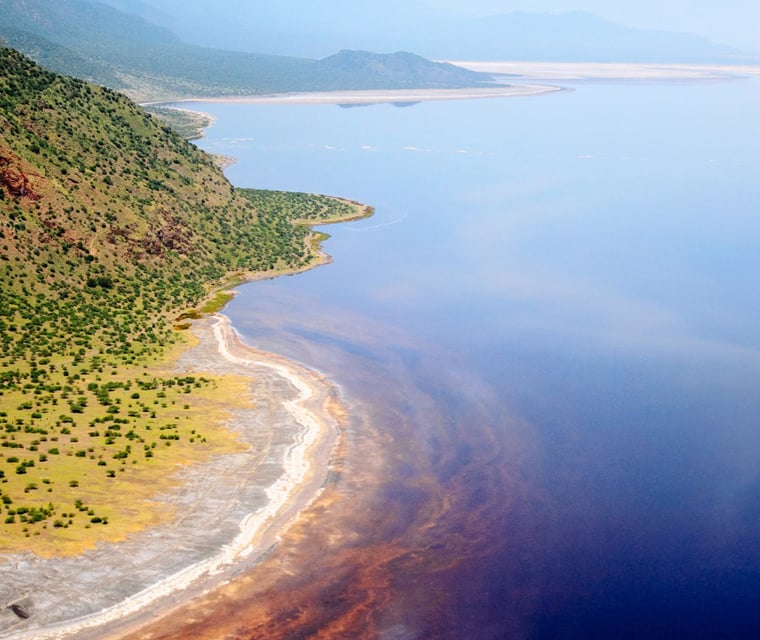
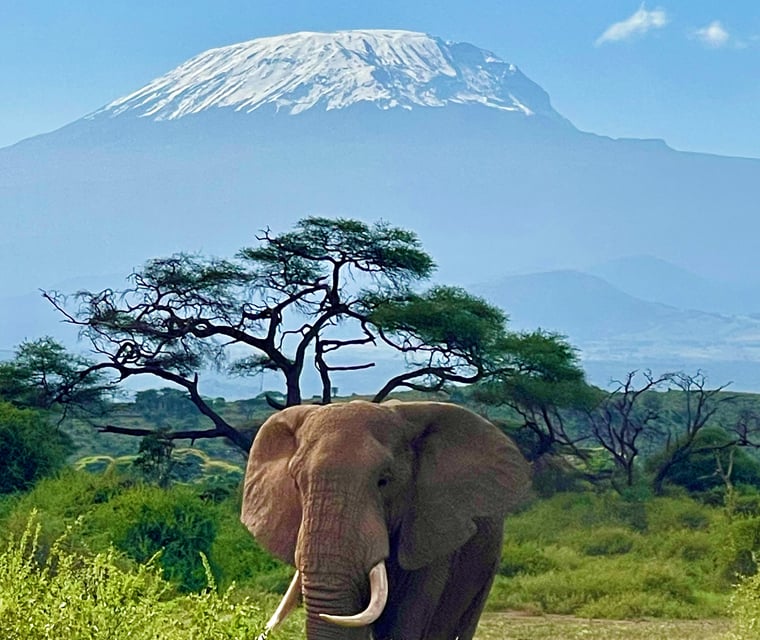
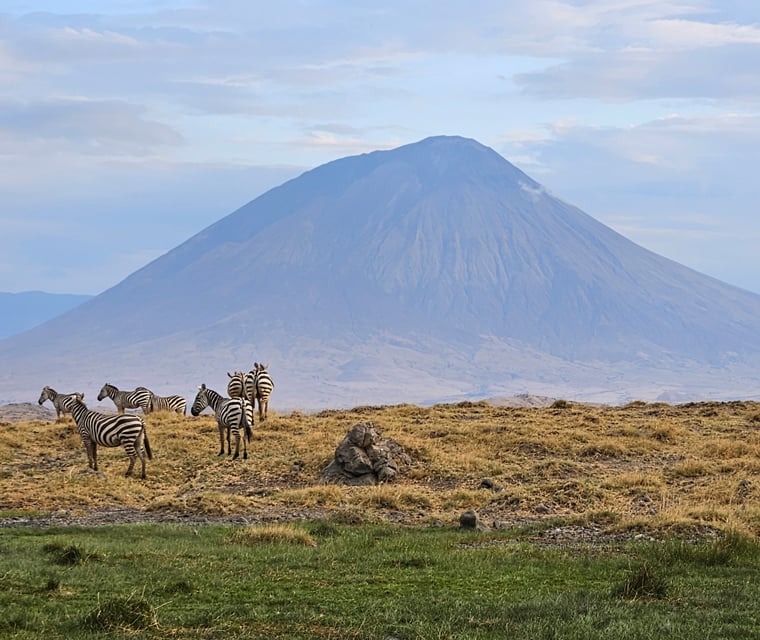
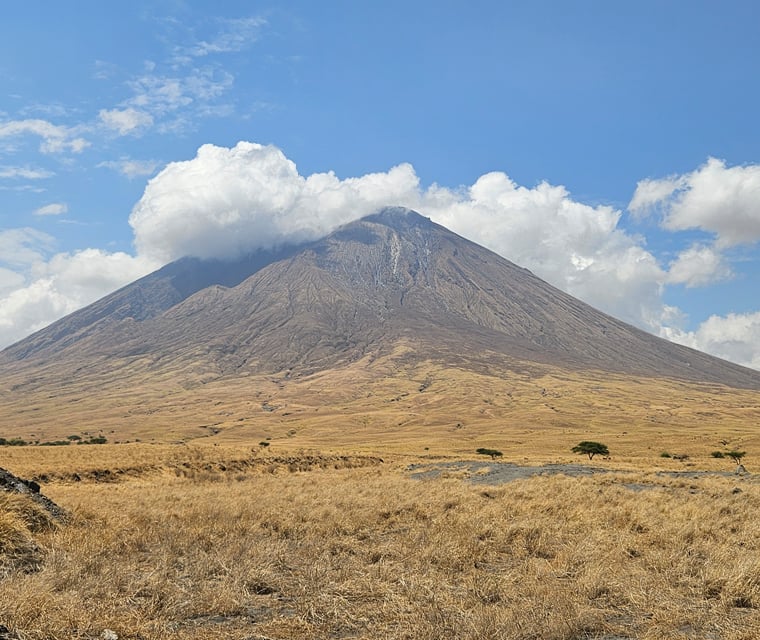
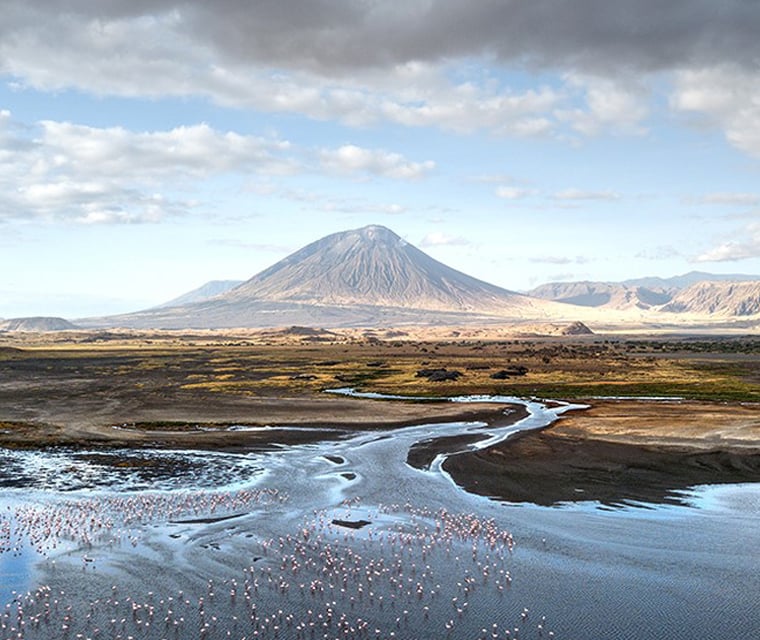
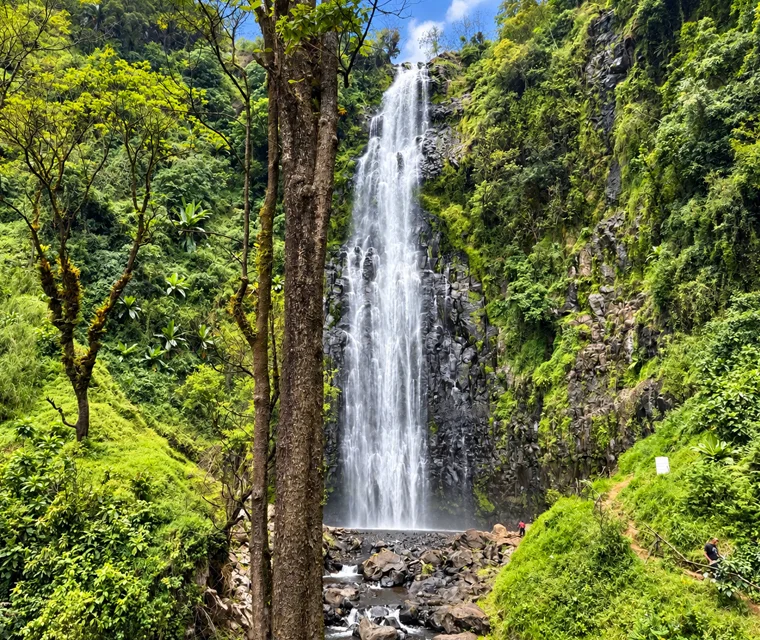
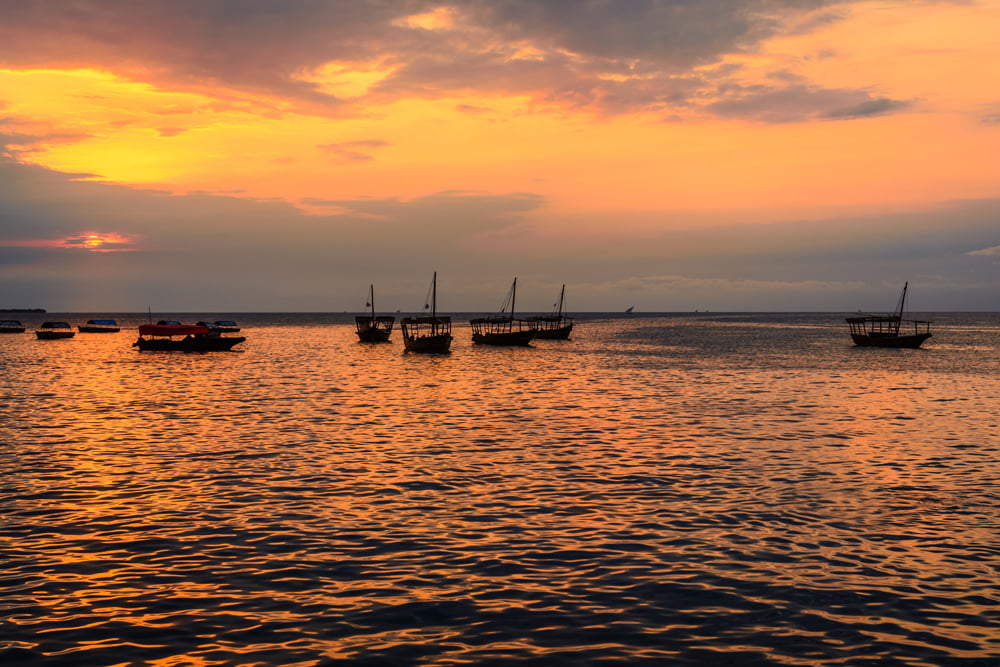
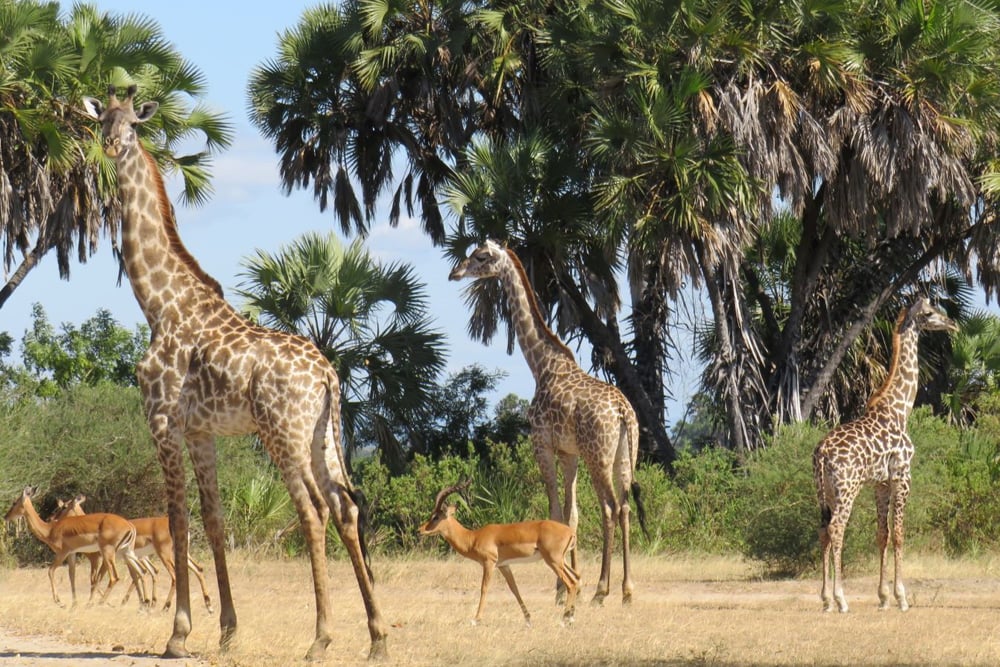
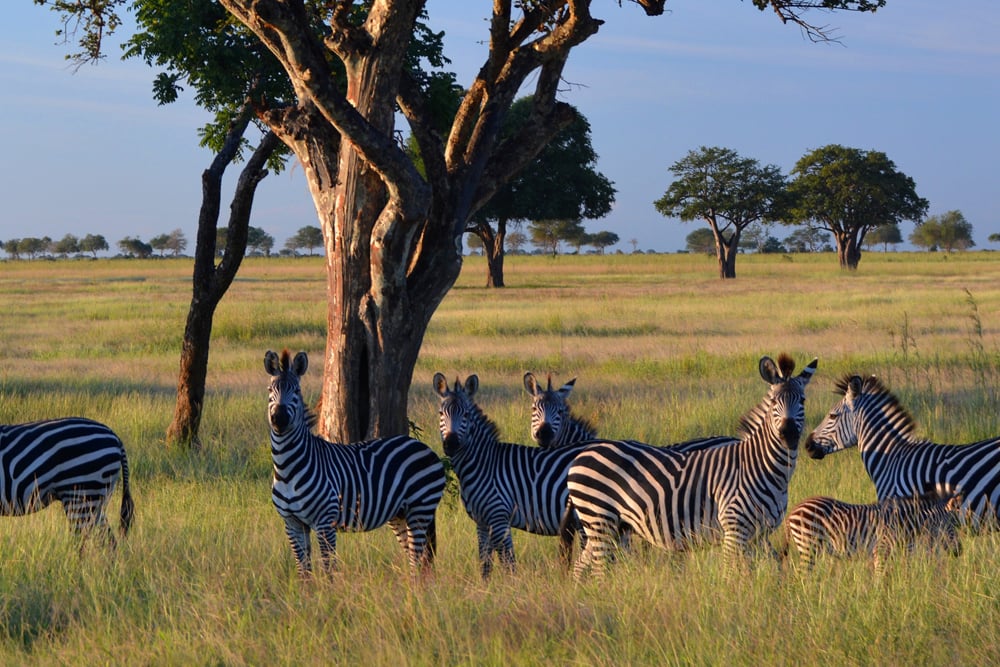
Tanzania is a land of quiet contrasts. Vast open plains meet lush highlands, volcanic landscapes, and the warm shores of the Indian Ocean. It
is a place where nature feels close, and where life follows a different rhythm.
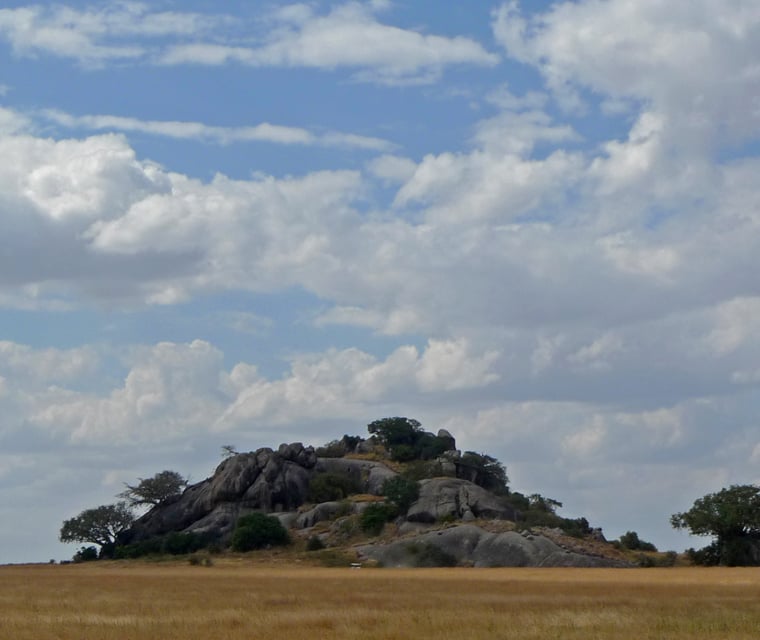
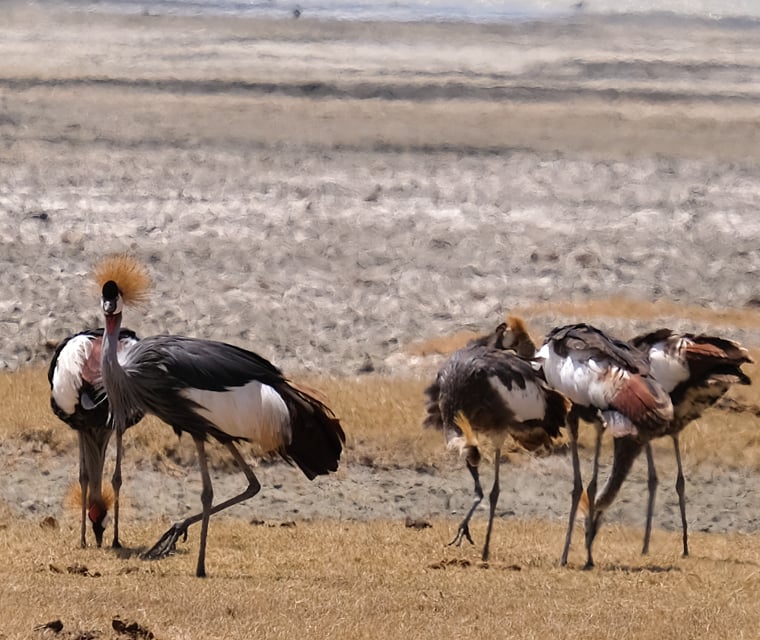
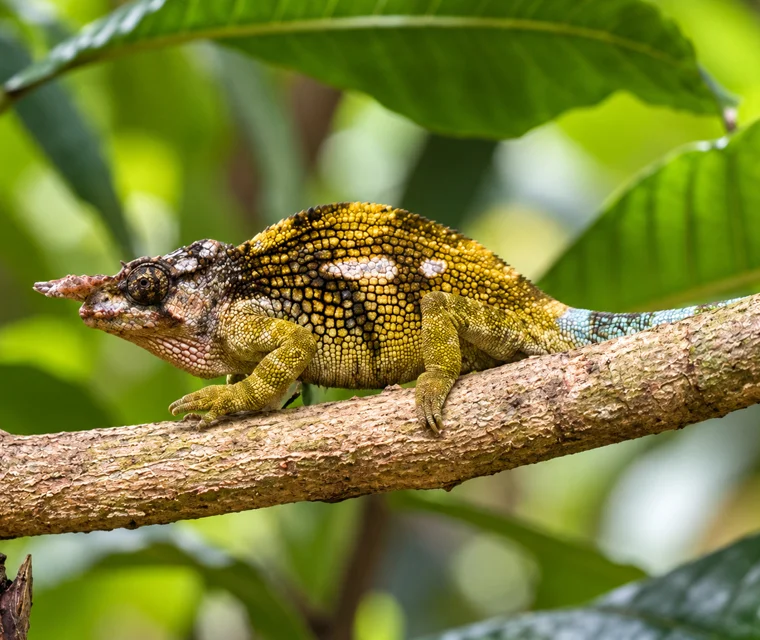
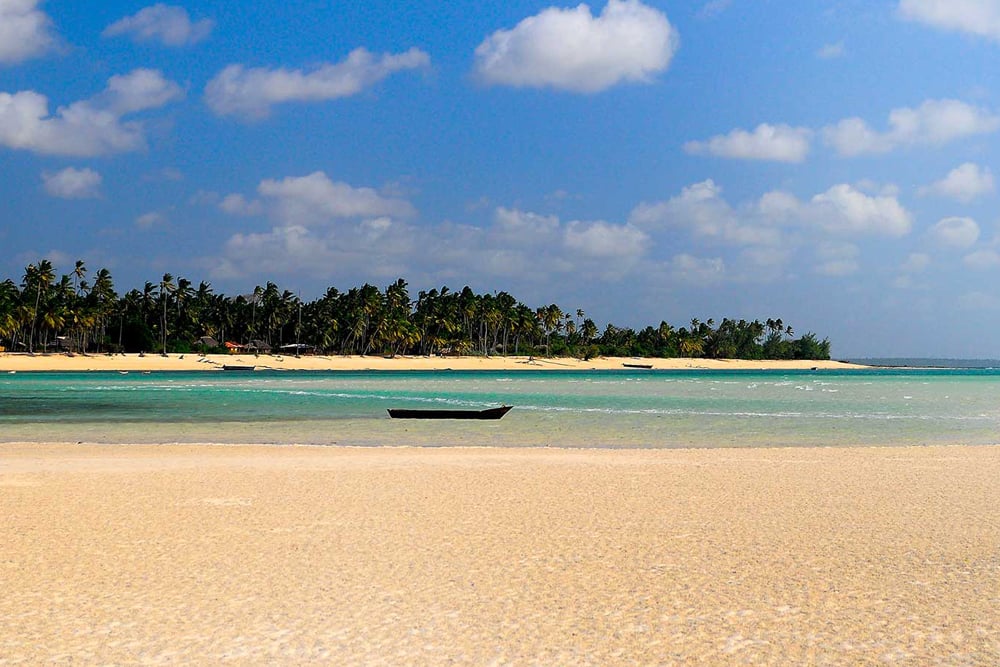
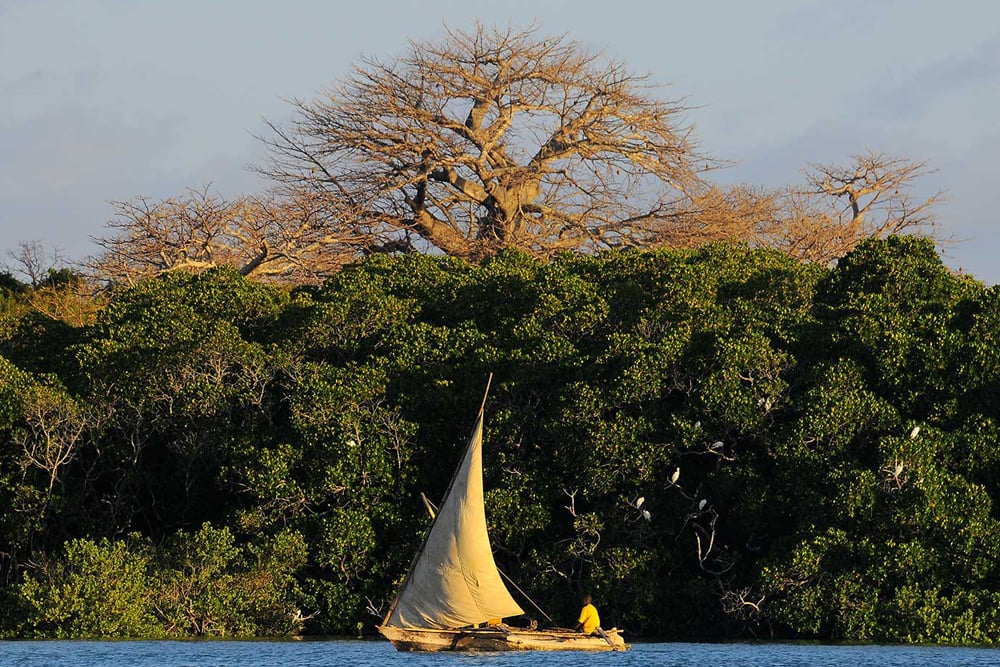
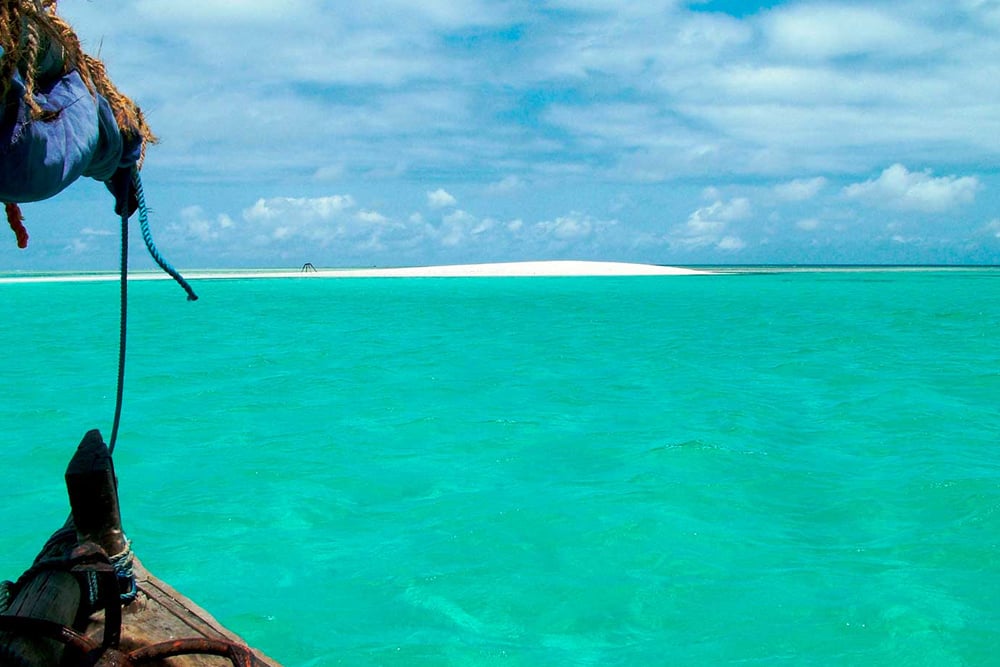
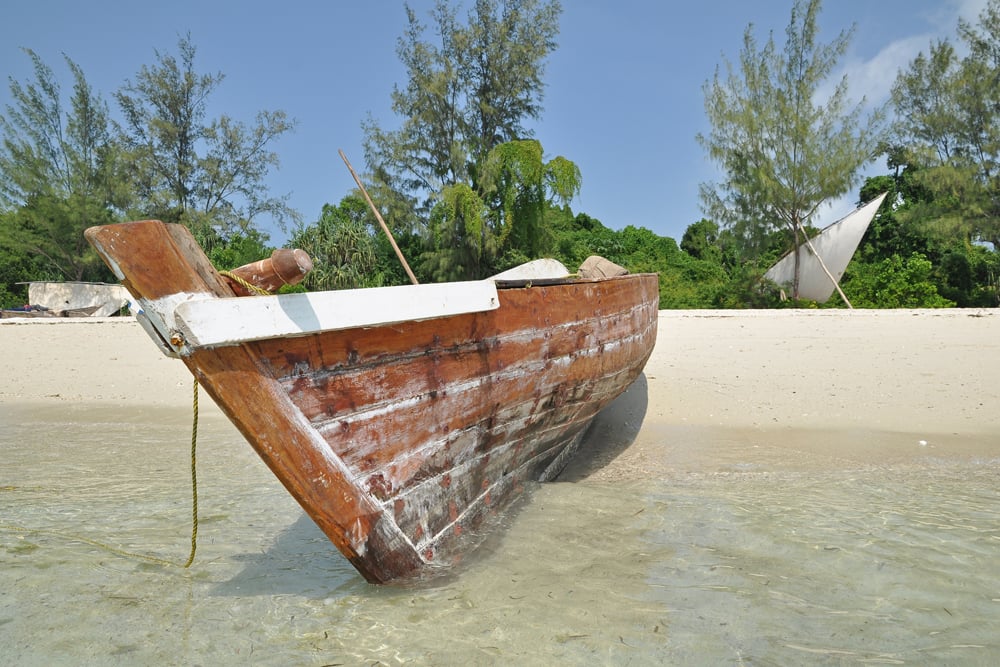
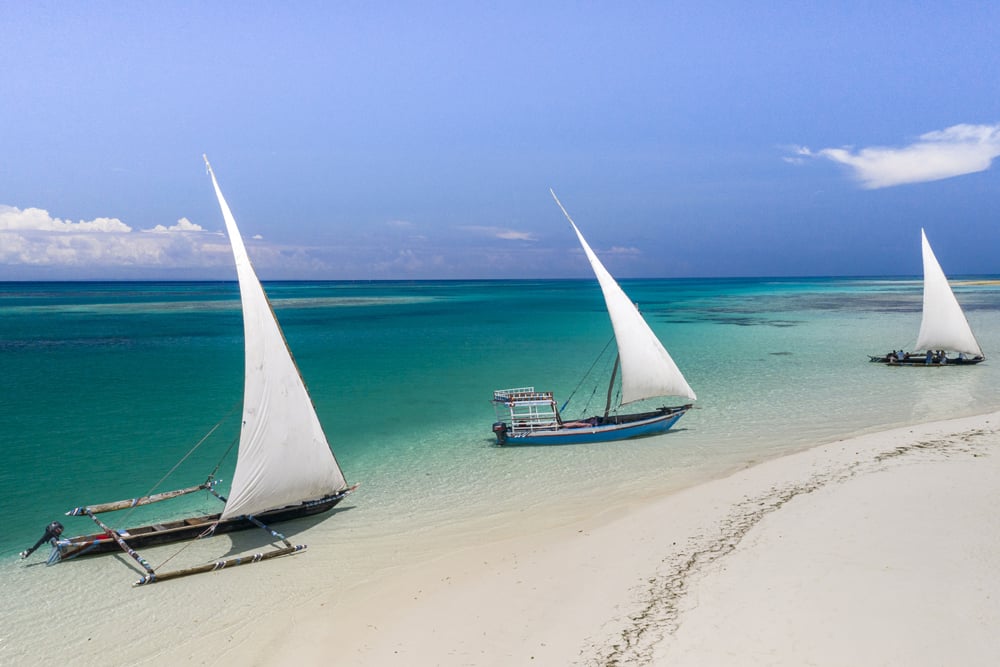
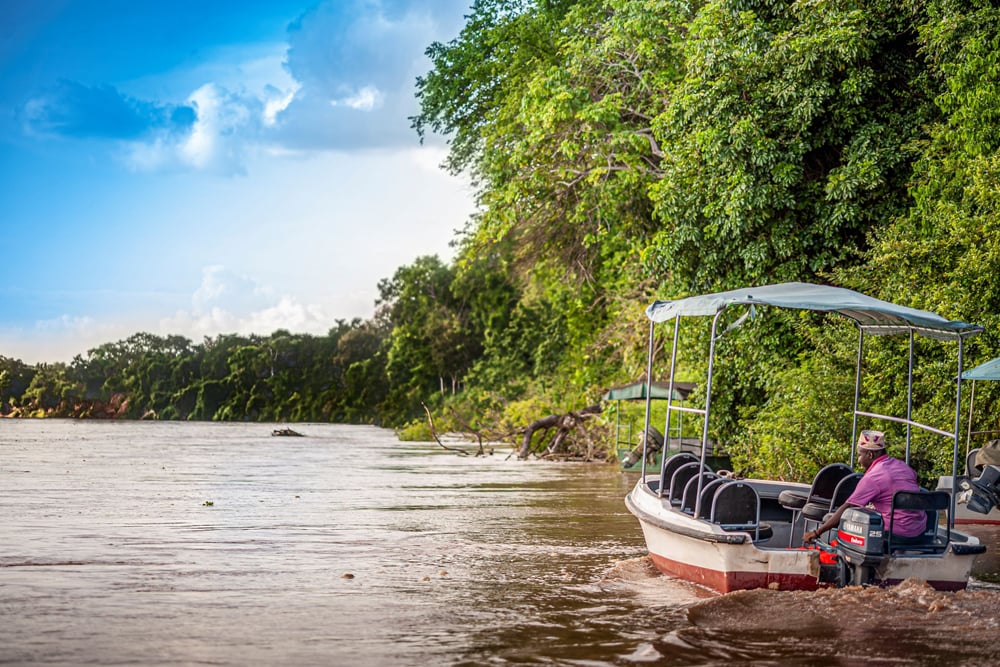
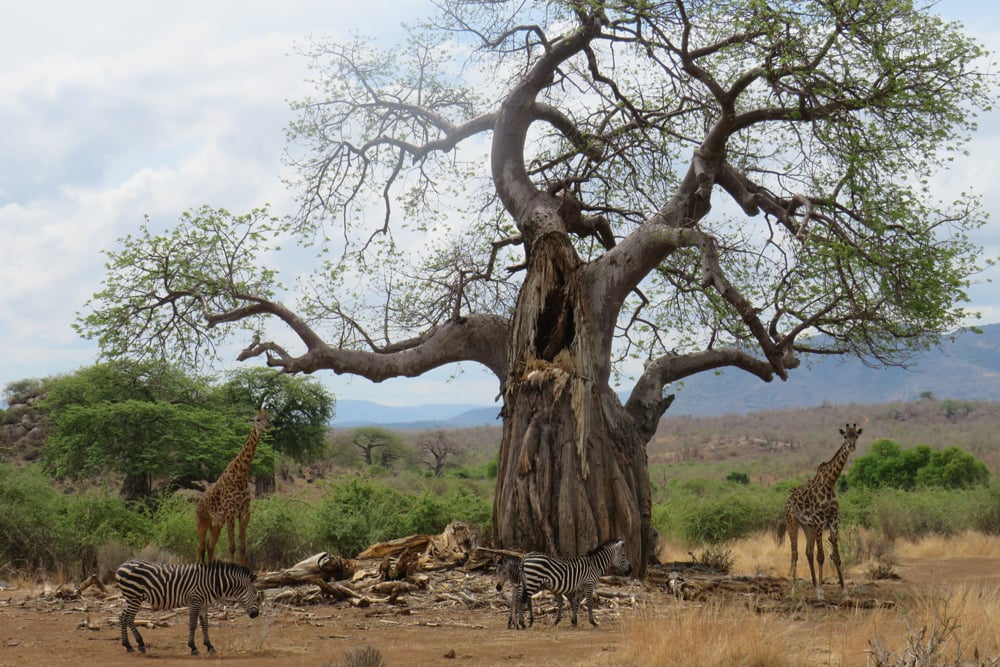
From the Serengeti’s endless horizons to the forests around Mount Meru and the beaches of Zanzibar, Tanzania offers an extraordinary variety
of landscapes and experiences. Each region carries its own atmosphere and character.
People, Language and Culture
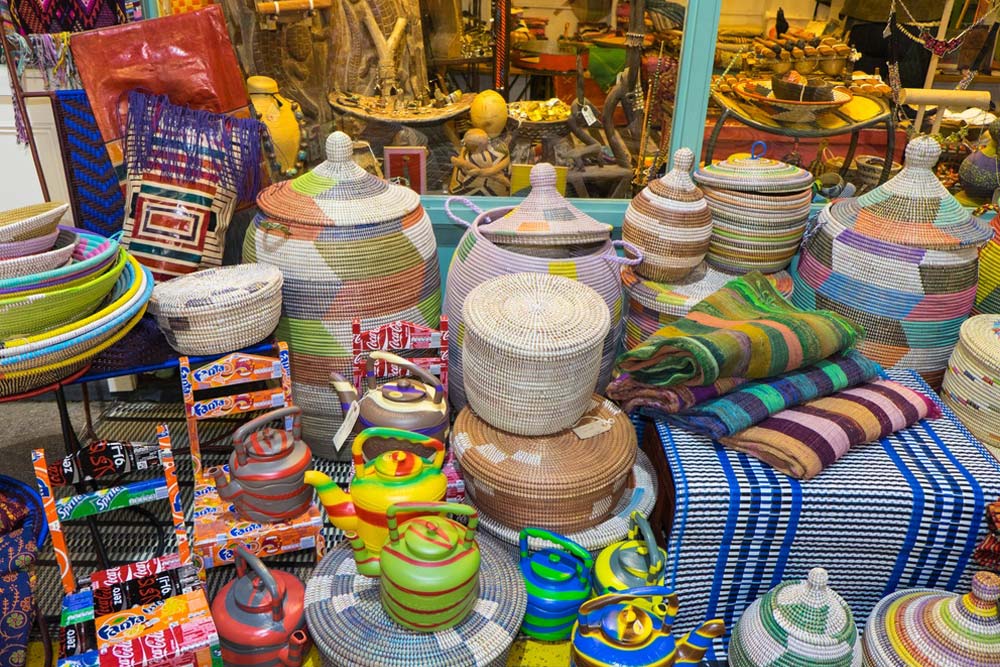
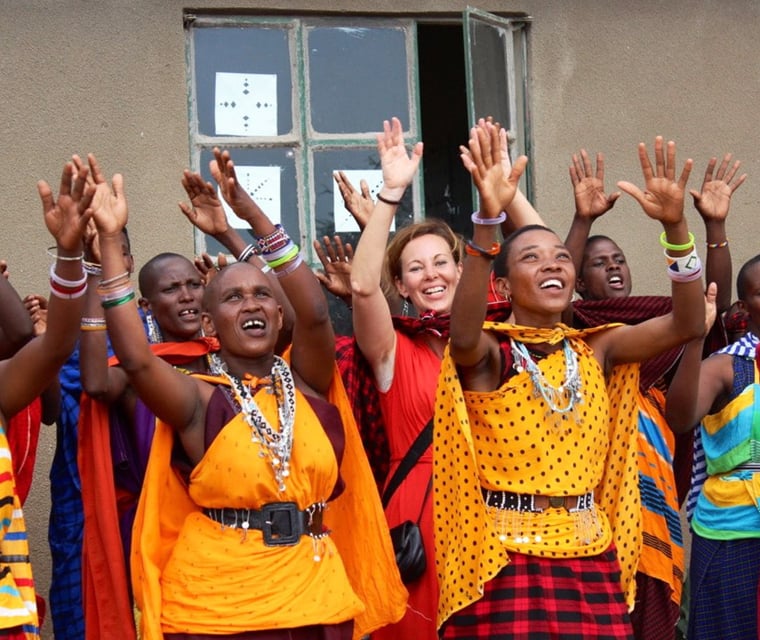
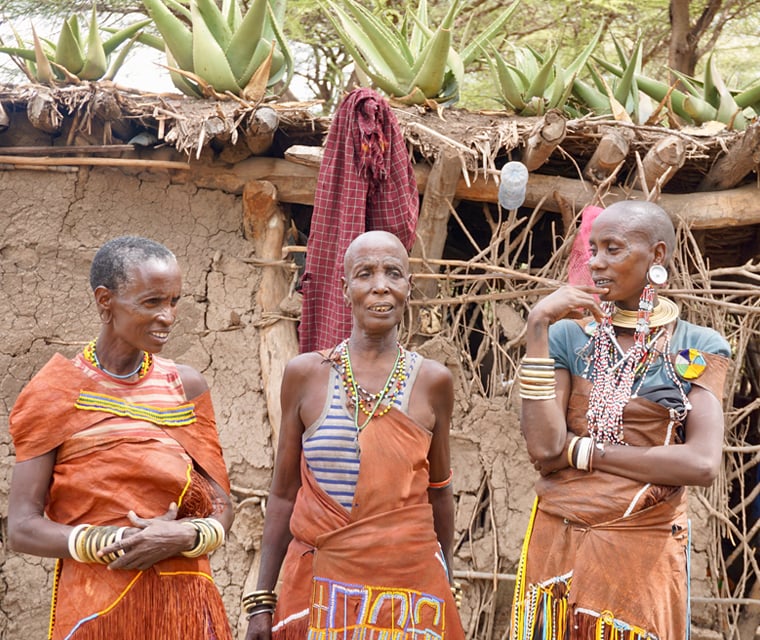
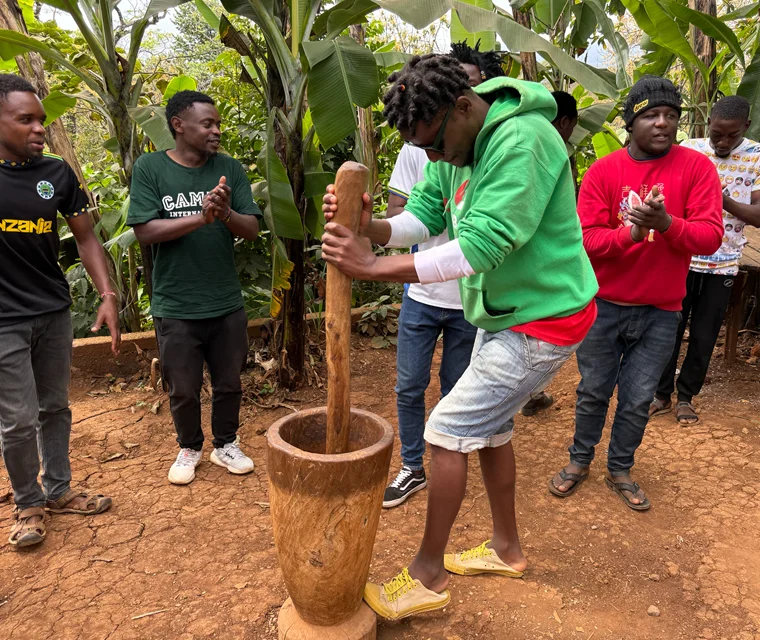
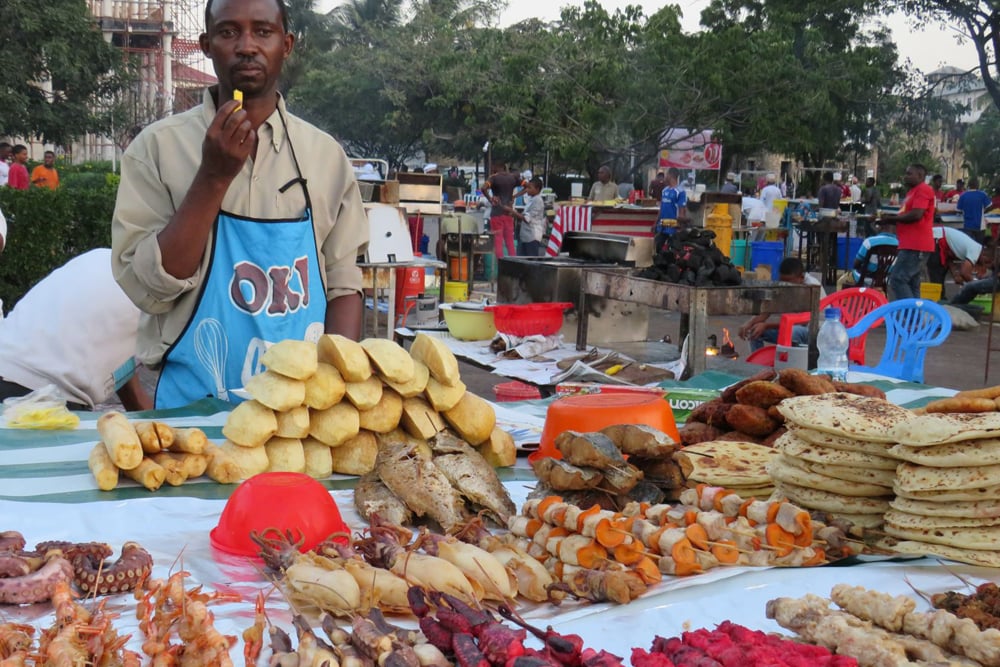
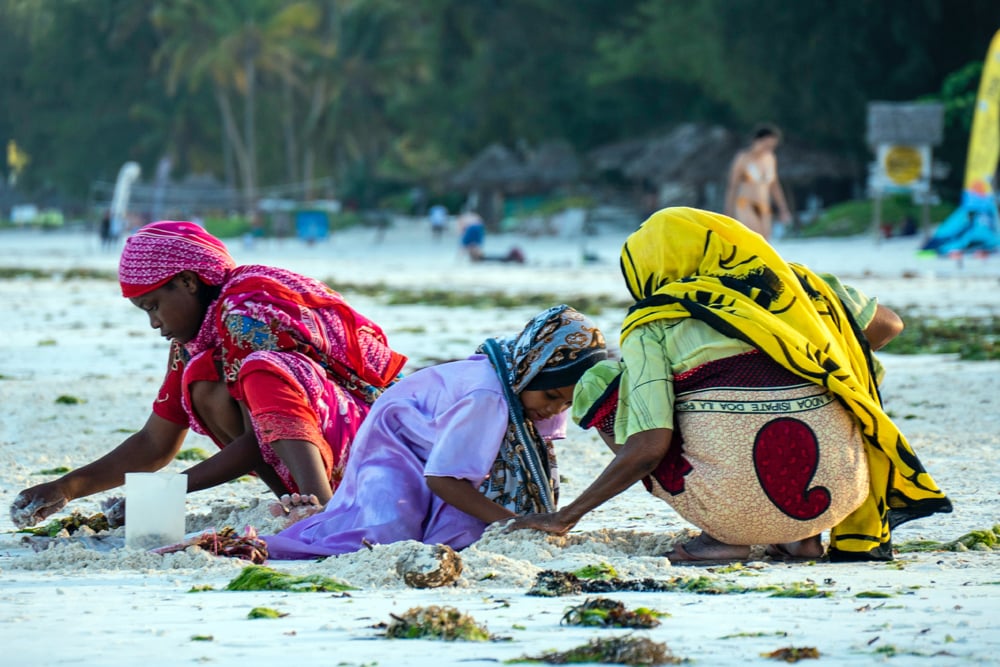
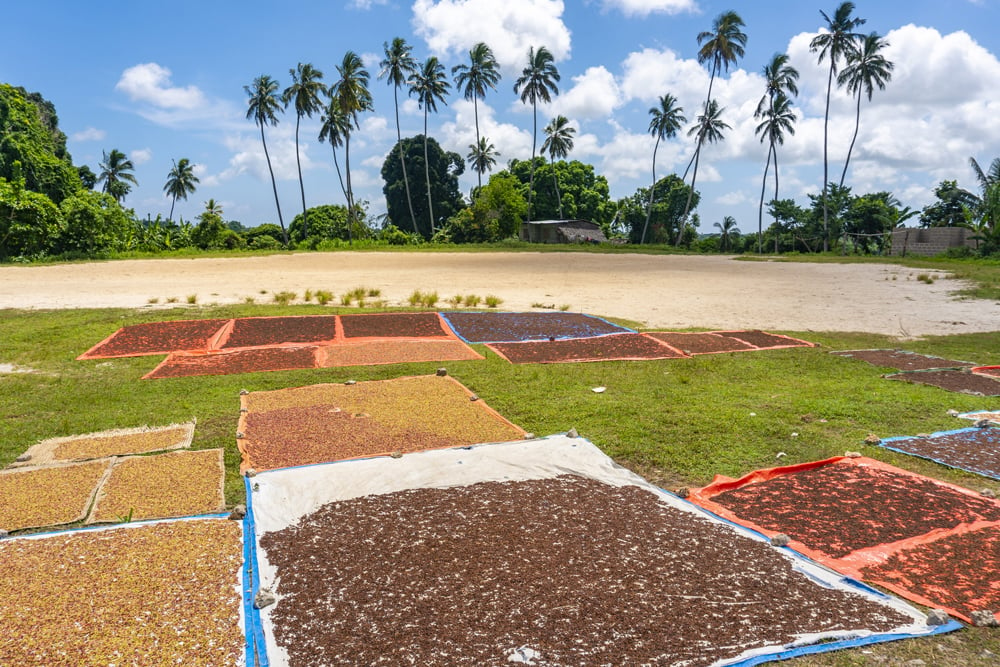
Tanzania is home to more than 120 tribes and communities, each with its own traditions and way of life. What they share is a deep sense of community and a natural warmth toward visitors.
With a population of around 65 million people, daily life is often shaped by close connections to family, land, and community. Respect for elders, hospitality, and strong community values are deeply rooted throughout the country.
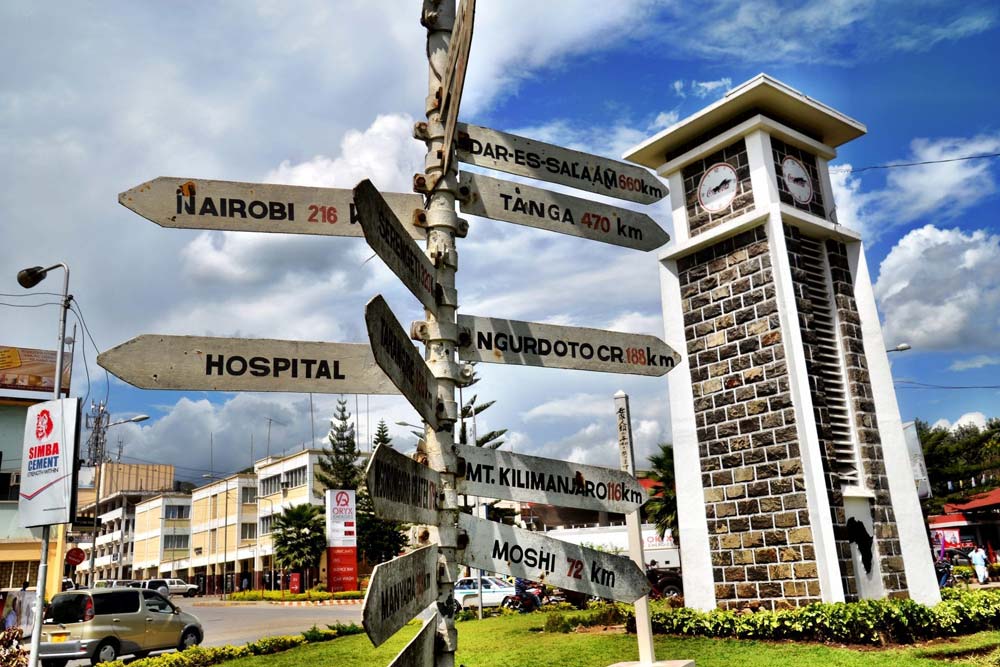
Swahili, or Kiswahili, is the national language and is spoken across Tanzania, connecting people from different regions and cultures.
Learn More
English is also widely spoken, particularly within tourism and in larger towns.
Learning a few simple Swahili words is always appreciated and often brings a warm smile. Jambo (hello), Asante sana (thank you very much), Karibu sana (you are most welcome), Pole pole (take it slowly), Hakuna matata (no worries).
A Different Pace
Life in Tanzania moves at a gentler rhythm. Time is not always measured in minutes, but in moments, in conversations, shared meals, and
daily life.
Allowing yourself to slow down is not only part of the experience, but often what makes a journey here feel deeper and more meaningful.
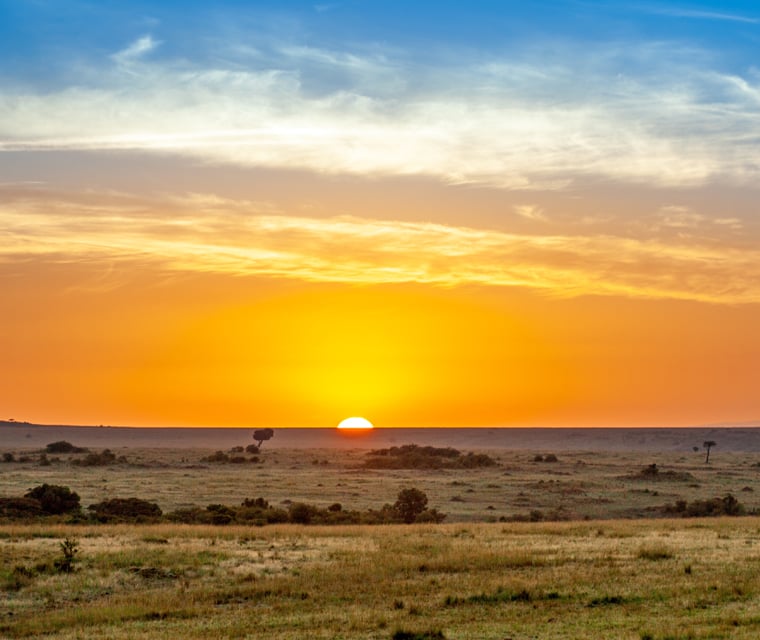
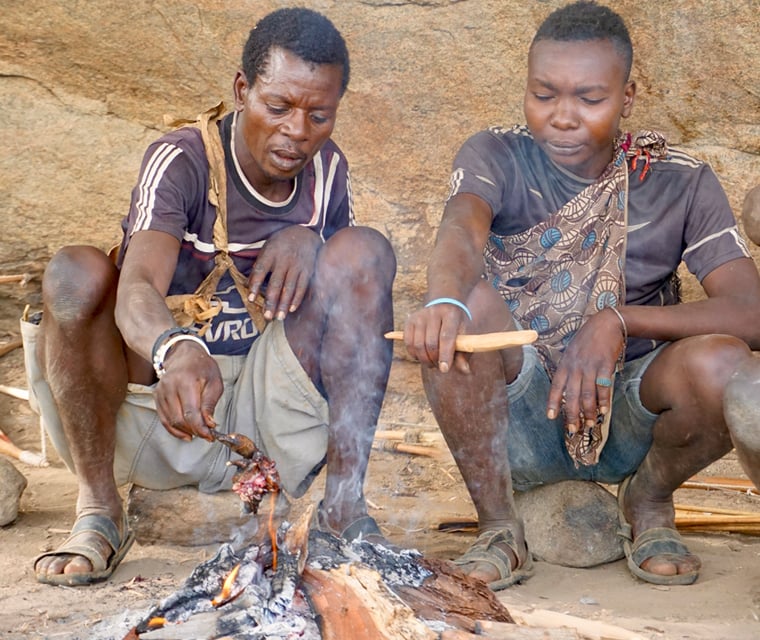
Many travelers discover that some of the most memorable moments are not the big highlights alone, but the quieter moments in between —
morning light over the savannah, conversations shared around a fire, or simply watching daily life unfold.
Tanzania invites you to experience not only the destination itself, but also a different sense of time and presence.
Best Time to Travel
Tanzania can be visited throughout the year, with each season offering different experiences, landscapes, and wildlife encounters.
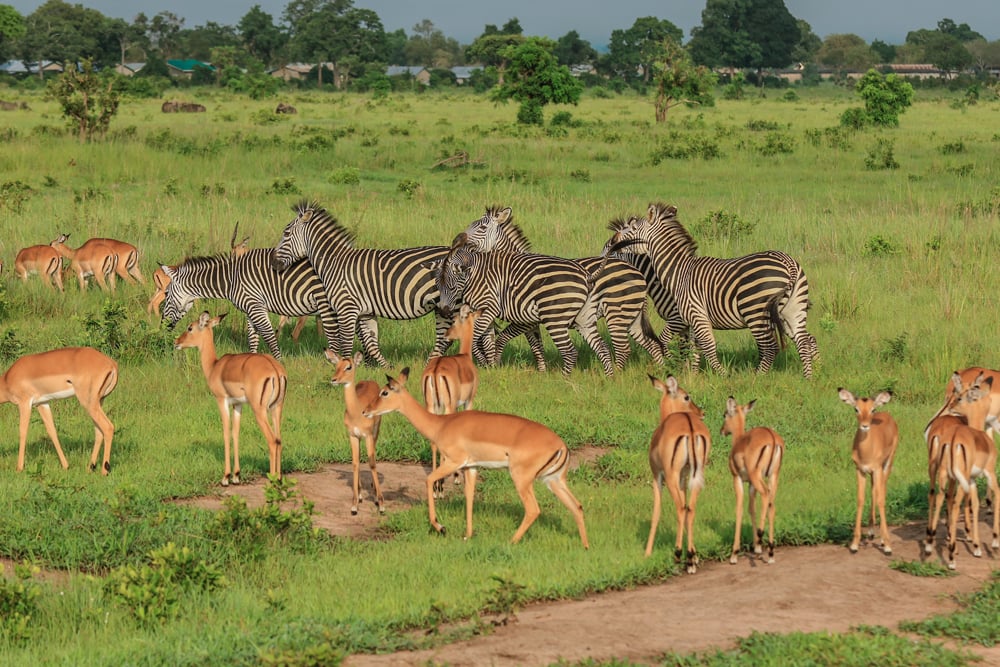
The dry season, from approximately June to October, is often considered ideal for safari, with wildlife gathering around rivers and water
sources.During parts of the dry season, particularly from May to July, mornings and evenings can sometimes feel surprisingly cool,
especially in higher-altitude areas and on safari.
For first-time safari travelers, the dry season is often the easiest and most predictable time to visit, particularly for wildlife viewing and
easier road conditions in more remote areas.
Read More
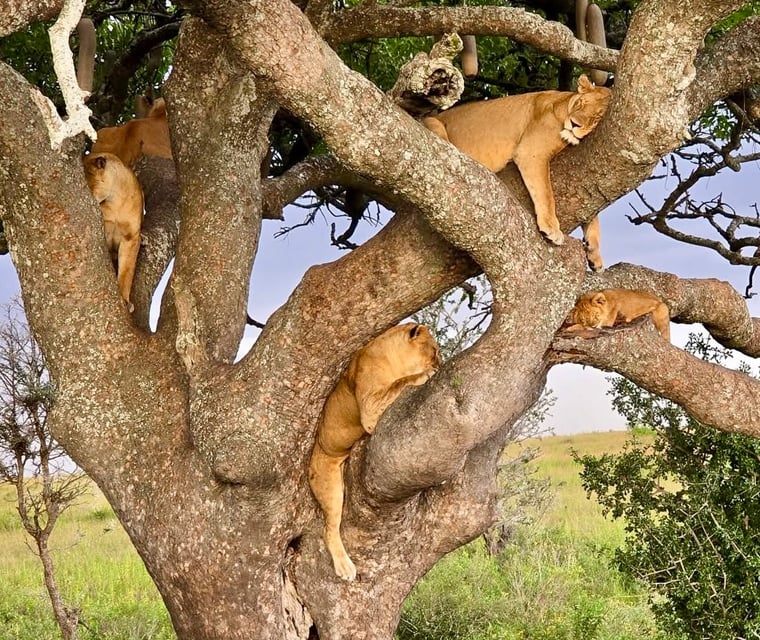
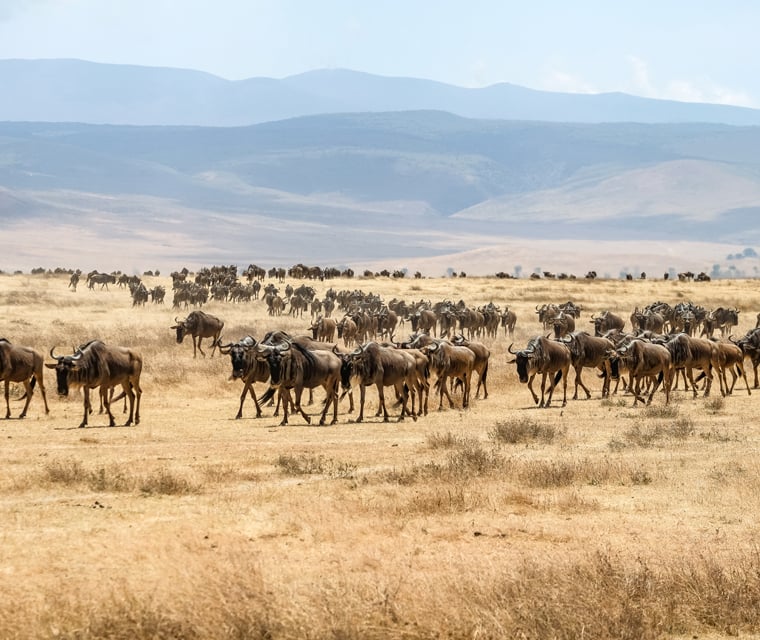
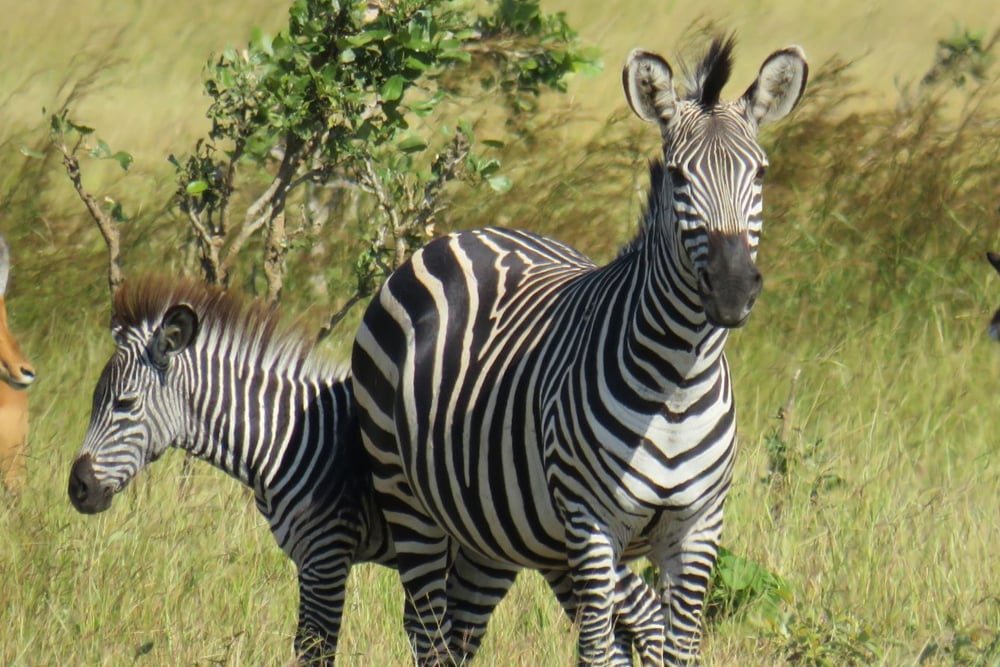
From January to March, the southern Serengeti and Ndutu region become especially beautiful during the calving season, when hundreds of thousands of wildebeest give birth across the plains. This is also an excellent time for predator sightings, as lions, cheetahs and hyenas follow the herds.
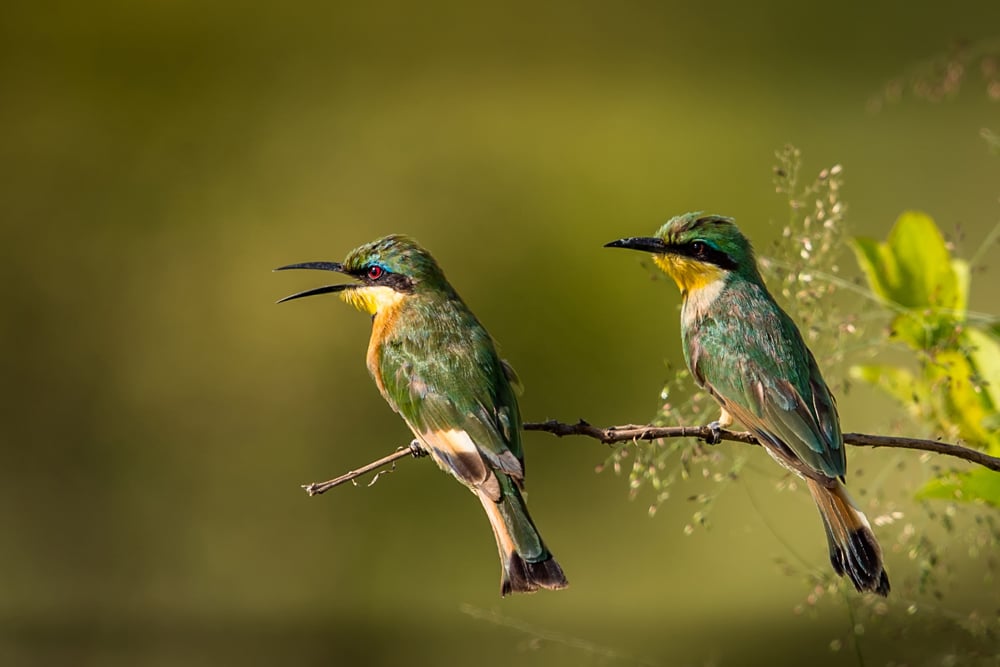
The Great Migration moves through different parts of the Serengeti throughout the year. From around June onwards, the herds gradually move north, with dramatic river crossings usually associated with the northern Serengeti between July and October. As the migration is a natural event influenced by rainfall and grazing conditions, exact timings can never be guaranteed.
Tanzania has two main rainy periods. The short rains usually occur during November and December and often come as brief, refreshing showers rather than continuous rain. The longer rains generally fall between March and May.
The green season transforms the landscape, bringing lush vegetation, dramatic skies and abundant birdlife. There are generally fewer visitors during this period, and in many areas accommodation rates are lower. For travelers who do not mind the possibility of rain, it can be a beautiful and rewarding time to visit.
Along the coast and on the islands of the Indian Ocean, temperatures remain warm throughout much of the year. Conditions vary with the seasons, however, and rainfall and humidity are generally higher during the long rains.
For those planning to climb Kilimanjaro, the drier periods from January to early March and from June to October are generally considered the most favorable, although conditions on the mountain can change quickly at any time of year.
There is, however, no single “best” time to visit Tanzania. For first-time safari travelers, we generally recommend the dry season, when wildlife viewing and travel conditions tend to be at their most predictable. But every season has its own character and advantages, and the right time ultimately depends on what you would most like to experience — whether that is the Great Migration, calving season, lush green landscapes, fewer visitors, Kilimanjaro, cultural experiences, or time by the Indian Ocean.
Entry and Visa
Most travelers require a visa to enter Tanzania, which can be obtained on arrival or in advance online.
Your passport should be valid for at least six months from your date of arrival.
For most nationalities, the visa fee is approximately USD 50, while U.S. citizens typically pay USD 100.
We recommend applying in advance where possible, though visas are also available on arrival at major airports.
Entry requirements may change, so we advise checking with the relevant embassy before departure.
Currency and Payments
The local currency is Tanzanian Shilling (TZS), though US dollars are widely accepted in the tourism industry.
We recommend withdrawing some local currency from an ATM upon arrival, particularly for smaller purchases, local markets, and tips.
Credit cards are accepted at some lodges and hotels, but not everywhere, especially in more remote areas.
US dollar notes should be relatively new and in good condition.
Health and Vaccinations
We recommend consulting your doctor or a travel clinic before departure. Travelers should be up to date with routine vaccines, and malaria
prevention should be considered depending on your itinerary.
Safe drinking water will be provided throughout your journey. We recommend avoiding tap water and using bottled or filtered water.
It is recommended to bring any personal medication, along with a small travel health kit.
Read More
A travel clinic may also recommend vaccines such as hepatitis A and typhoid, and in some cases hepatitis B and rabies depending on your itinerary.
A tetanus booster is often advised if you are not fully up to date.
Yellow fever vaccination is generally not required when traveling directly to Tanzania, but proof may be required if arriving from or transiting through a country where yellow fever is present.
Packing and Climate
Tanzania offers warm days and cooler mornings and evenings, especially on safari.
We recommend light, breathable clothing in neutral colors, along with a warm layer such as a fleece or light jacket for early mornings and
evenings.
Comfortable walking shoes, sun protection, and a hat are essential for most journeys.
Soft bags are preferred over hard suitcases, particularly for safari travel and domestic flights.
Read More
A small daypack is useful for daily activities and excursions.
We recommend bringing a power bank, as electricity access may be limited during travel days.
Binoculars can enhance your safari experience, allowing you to appreciate wildlife at a distance.
On some domestic flights, luggage is limited to soft bags of approximately 15 kg.
A light scarf or shawl can be useful for sun protection and cultural visits.
Sunscreen and insect repellent are also recommended.
Connectivity and Practicalities
Mobile coverage is available in most areas, though it may be limited in more remote locations. Many lodges and hotels offer Wi-Fi, though
connection quality may vary depending on location.
Electricity is typically 220–240V, and a universal adapter is recommended.
Tanzania follows East Africa Time (EAT), GMT+3, throughout the year.
Local SIM cards can easily be purchased on arrival if needed.
Connectivity may vary throughout your journey, which for many travelers becomes part of the experience — an opportunity to disconnect
and be more present in the moment.
Tipping is customary in Tanzania and always appreciated. Guidance will be provided as part of your travel information.
Karibu sana
We look forward to welcoming you to Tanzania.