The Maasai People
Discover how your journey can make a difference in Tanzania
The Maasai people of East Africa have for generations maintained a way of life shaped by community, tradition, and a close relationship
with the land.
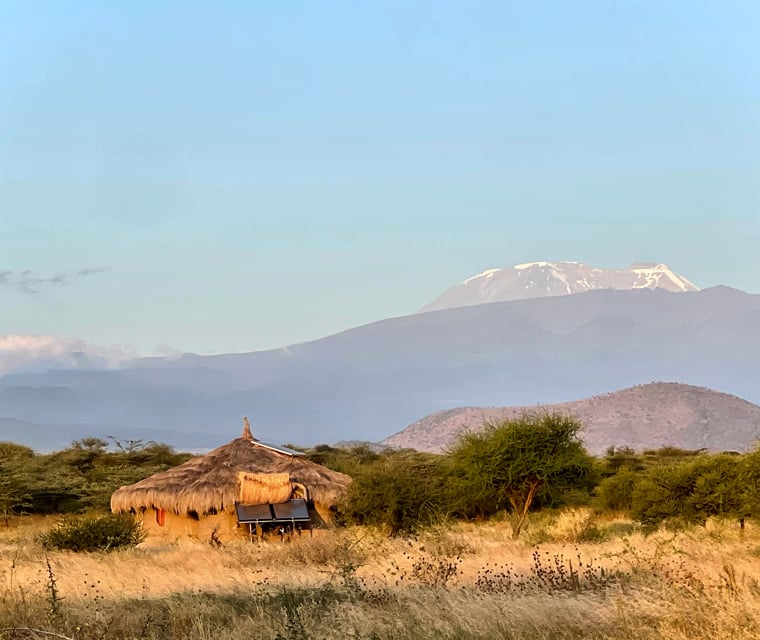
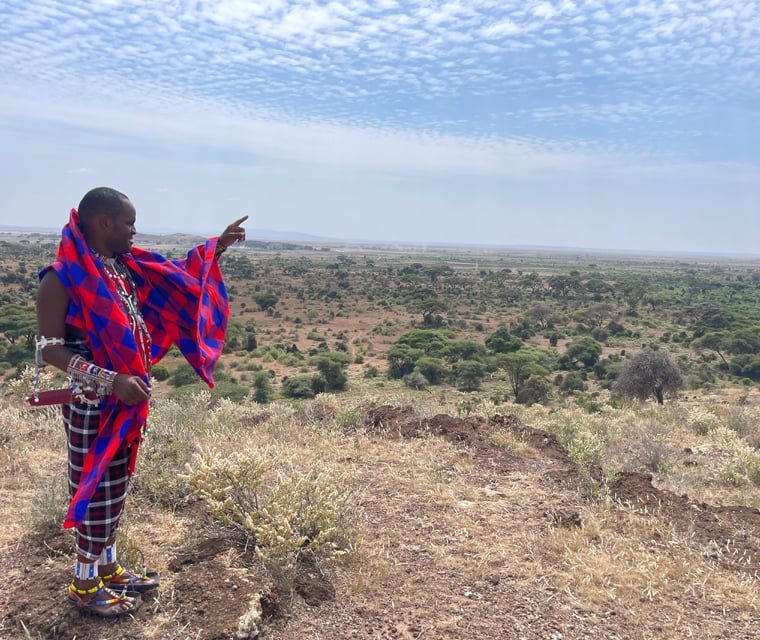
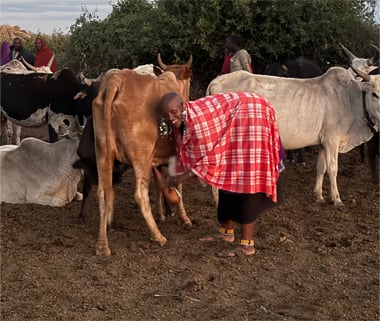
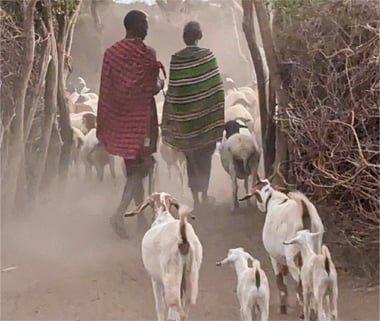
Living across northern Tanzania and southern Kenya, the Maasai continue a semi nomadic pastoral lifestyle. Cattle are central to daily life,
not only as a source of food, but as a measure of wealth, a symbol of status, and an important part of cultural and spiritual belief.
Age Sets and the Journey Through Life
Maasai society is built around a structured age set system, where individuals move
through clearly defined stages of life together, from childhood to warriorhood and
eventually into elderhood.
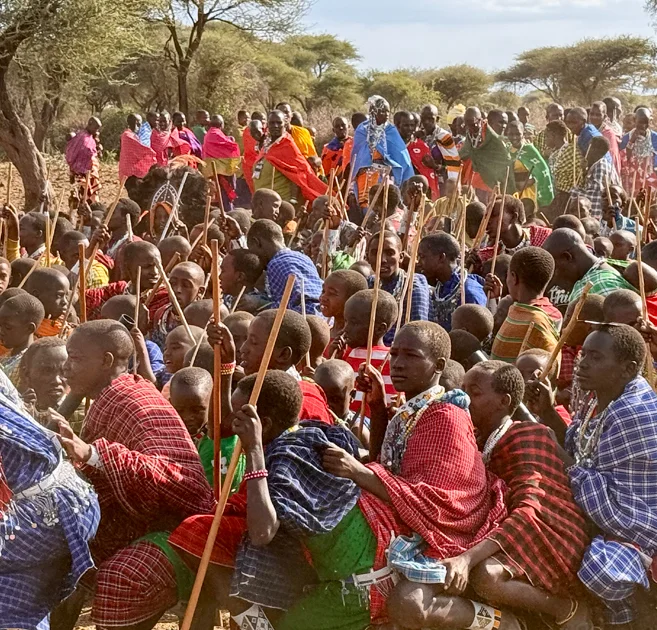
Young men enter the stage of moran, or warriors, after initiation ceremonies that
mark the transition into adulthood. During this period, they take on responsibilities
such as protecting the community and caring for livestock, while also forming
strong bonds within their age group.
As they grow older, they transition into junior elders and later senior elders,
gradually taking on greater responsibility in community life. Elders play a central role
in decision making, conflict resolution, and the preservation of cultural knowledge.
The Maasai hold a deep respect for elders, whose experience and wisdom guide
both individuals and the wider community.
This system creates continuity across generations, ensuring that roles, responsibilities, and traditions are passed on with structure and meaning.
The Role of Women in Maasai Society
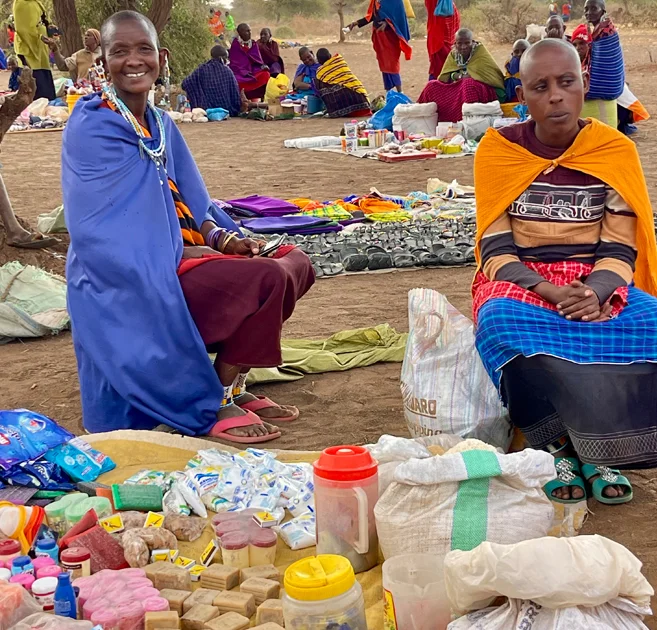
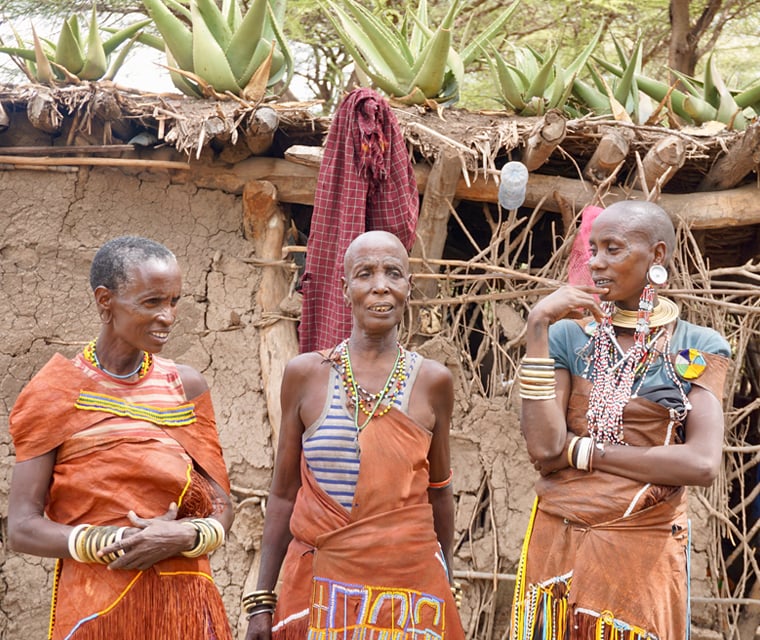
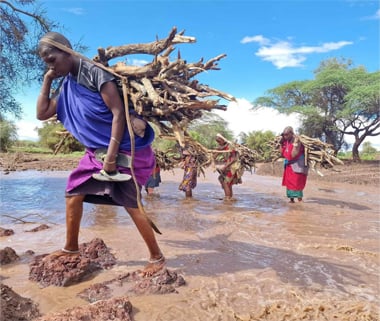
Women play a central role in Maasai life and community. They are responsible for building and maintaining the family home, collecting water and firewood, caring for children, and supporting the daily needs of the household.
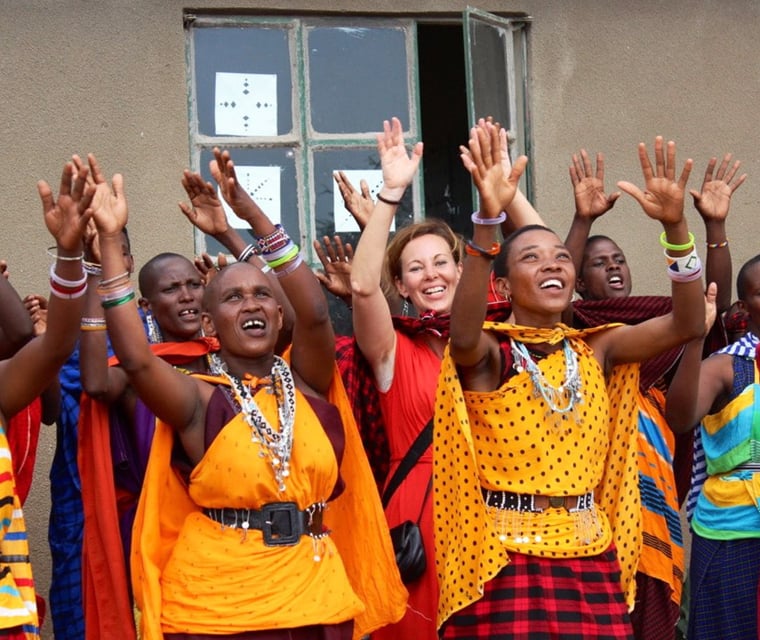
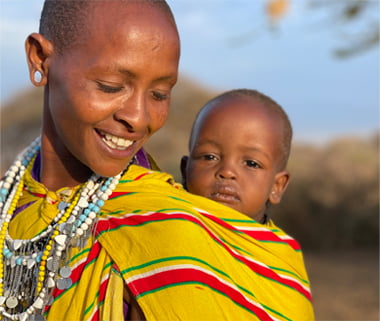
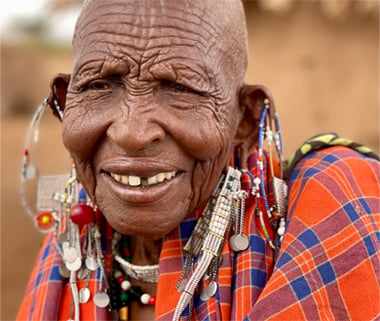
They are also known for their intricate beadwork, where colors and patterns carry meaning related to identity, age, and social status. Through this work, women contribute both to daily life and to the preservation of cultural expression.
In traditional Maasai society, it is also common for men to have more than one wife, with each household forming part of a larger family
structure within the community.
Community, Justice, and Leadership
For generations, the Maasai have governed themselves through community based systems led by elders. Important decisions, whether
resolving disputes, managing land,or guiding the community, are made collectively.
Rather than focusing on punishment, this traditional form of justice emphasizes dialogue, reconciliation, and restoring balance. It reflects
an understanding that the strength of the community depends on unity and mutual respect.
Culture expressed through movement and ceremony
Maasai culture is expressed not only through words, but through movement, ceremony, and shared experience.
One of the most well known expressions is the traditional jumping dance, adumu. Performed by young warriors, it is both a display of
strength and a symbol of unity. Standing in a circle, each warrior takes turns jumping vertically, accompanied by rhythmic chanting from
the group.
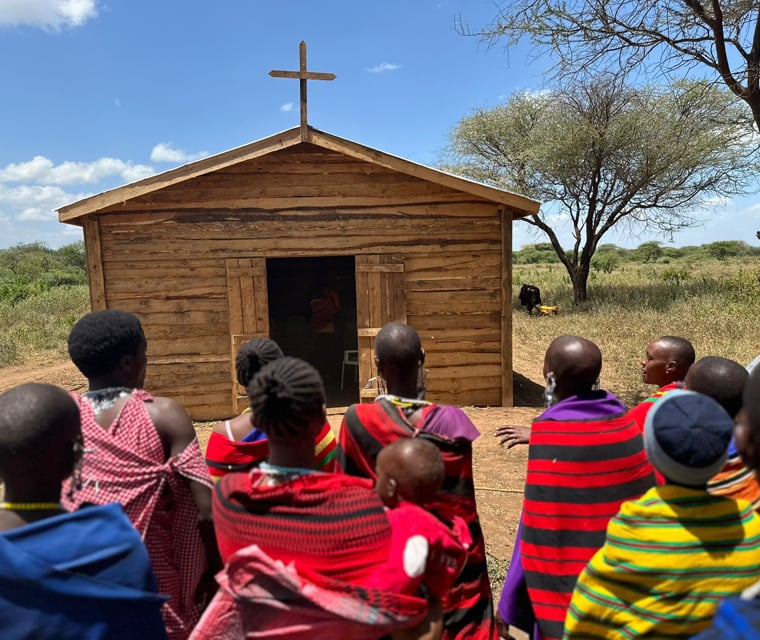
Ceremonies mark important transitions in life and reinforce a shared sense of identity.These moments are not performances, but
meaningful traditions that continue to shape daily life.
Knowledge of Nature and Traditional Medicine
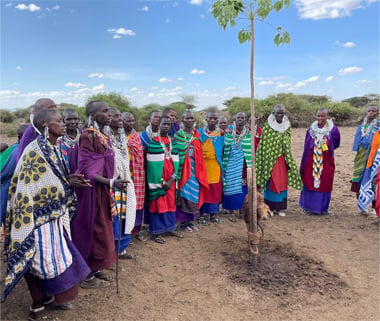
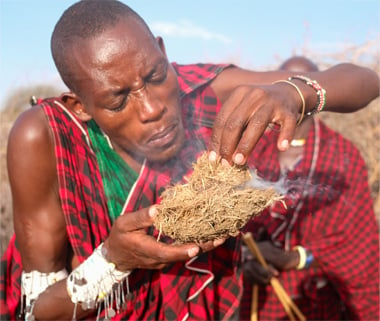
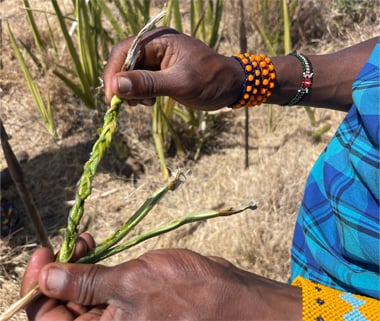
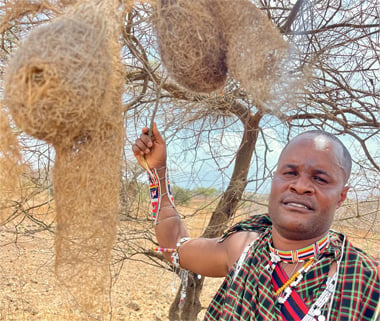
The Maasai have a deep and practical knowledge of the natural world. For generations, they have relied on plants, roots, and trees for healing
and wellbeing.Traditional medicine is still widely used, often alongside modern healthcare.
Remedies made from local plants are used to treat illness, strengthen the body, and support recovery. This knowledge is passed down through
generations and reflects a close relationship with the environment.
A Culture That Continues to Evolve
What makes the Maasai remarkable is their ability to preserve traditions while
adapting to a changing world.
Today, many Maasai balance traditional life with new opportunities, while remaining
connected to their cultural identity. It is not a culture frozen in time, but one that
continues to evolve while staying rooted in its values.
A living culture, shaped by everyday life.
The Maasai way of life continues across generations, shaped by routines,
responsibilities, and a strong sense of community.
For those who spend time in Maasai areas, it is often the everyday moments that
leave the strongest impression. A deeper understanding grows not through
observation alone, but through presence.
At Milele Journeys, we approach these encounters with care and respect, offering
opportunities to experience Maasai culture in a way that feels natural and unfiltered.