
NORTHERN TANZANIA: For Wildlife Lovers, Mountain Trekkers, and Cultural Explorers
TingaTinga Village – Heart of Maasai Life
Nestled in the hills of Longido District, TingaTinga Village offers a rare and authentic window into the rhythm of Maasai life. Rolling plains stretch around you while herds of cattle graze peacefully, as traditions and daily life unfold. In the village, you meet families tending their livestock, women weaving and preparing food, and children playing in the sun.
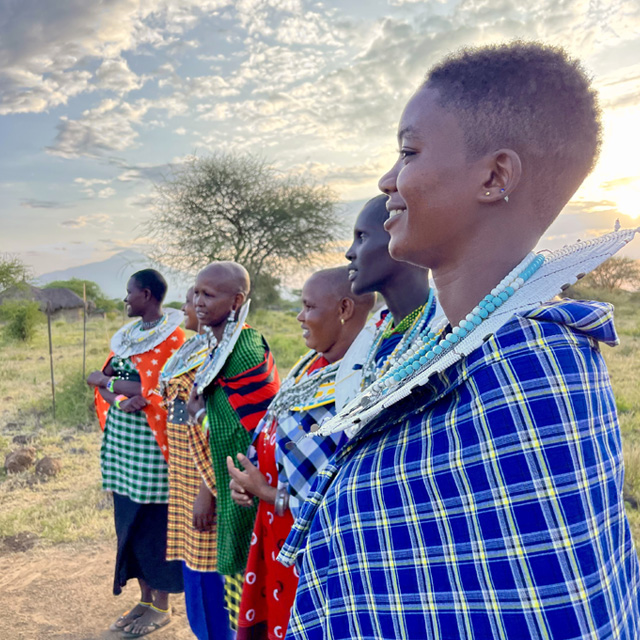
Visitors to TingaTinga encounter the Maasai, one of northern Tanzania’s most iconic communities. Traditionally semi-nomadic pastoralists, they herd cattle across the plains and live in harmony with the surrounding wildlife. Their colorful shukas, intricate beadwork, and ceremonial practices reveal a society structured around age sets and initiation rites. A highlight for many travelers is witnessing the famous jumping dance (adumu), where young warriors compete in displays of strength and agility, leaping high into the air in a centuries-old tradition that celebrates skill, courage, and community.
You will get the chance to explore authentic homesteads (bomas), learn about traditional Maasai customs, and witness rituals passed down through generations. Herds of zebras and giraffes wander close by, and with elephants occasionally passing through the surrounding wildlife corridors, the presence of wilderness is always near.
What makes TingaTinga truly special is its balance of tradition and wilderness. With the dramatic backdrop of Kilimanjaro, Meru, and Longido, and the proximity to wildlife corridors, the village embodies the essence of Maasailand. It is not just a stop on your journey—it is a place to pause, to connect, and to experience life as it has been lived for centuries. Visiting TingaTinga reminds you that travel can be more than seeing; it can be about belonging, sharing, and understanding.
Milele Journeys warmly recommends TingaTinga Village as a truly memorable and authentic highlight of any Tanzanian adventure, where every visit offers a chance to experience Maasai life as it has been lived for generations.
Enduimet Wildlife Management Area – A Hidden Gem at the Foot of Kilimanjaro
Nestled on the western foothills of Mount Kilimanjaro, Enduimet Wildlife Management Area (WMA) offers an authentic and tranquil safari experience far from the crowds. Spanning 1,282 square kilometers, this community-managed conservation area is a vital corridor connecting Kilimanjaro and Amboseli National Parks, allowing seasonal migration of elephants, zebras, and wildebeests between Tanzania and Kenya.
The landscape unfolds as a tapestry of acacia woodlands, rolling hills, and open plains, with stunning views of Kilimanjaro’s snow-capped peak rising in the distance. Elephants wander gracefully across the savannah, while giraffes, zebras, wildebeests, buffaloes, oryx, and elands move quietly in the golden light of morning. Elusive predators like lions, leopards, and cheetahs are rare, yet the possibility of encountering them adds an air of anticipation to every safari.
Exploring Enduimet on game drives or guided walks immerses you in the sights, sounds, and rhythms of the wild—the rustle of acacia leaves, the distant trumpeting of elephants, and the occasional call of a bird high in the sky.
At its most spectacular during the dry seasons, from June to October and December to February, when wildlife gathers around water sources, Enduimet WMA reveals serene landscapes, remarkable biodiversity, and breathtaking views of Kilimanjaro—making every visit a peaceful, unforgettable safari experience.
Kilimanjaro National Park – Home to Africa’s Majestic Mount Kilimanjaro
Kilimanjaro National Park, a UNESCO World Heritage Site, protects one of Africa’s most remarkable and diverse ecosystems. Rising majestically to 5,895 meters, With its snow-capped peak shimmering above the plains, Mount Kilimanjaro rises as a timeless backdrop to the rhythm of Maasai life. The park inspires a deep appreciation of Africa’s wild beauty, offering a journey through ever-changing habitats that captivate every visitor.
The slopes of Kilimanjaro unfold a tapestry of landscapes: lush montane rainforest alive with birdsong and towering trees, bamboo forests swaying in the breeze, heath and giant lobelia-studded moorlands that feel otherworldly, and finally the stark, windswept alpine desert near the summit, dotted with volcanic rocks and glaciers. At its highest point, Uhuru Peak rises above the clouds, capped with iconic snow and glaciers, a striking contrast to the forests and moorlands below and a reminder of the mountain’s grandeur and ecological extremes.
Even for those not aiming for the summit, Kilimanjaro National Park offers unforgettable day hikes and guided walks. Trails lead through dense forests, past waterfalls, and across high-altitude plateaus, rewarding visitors with sweeping views of the summit and surrounding plains. Along the way, wildlife such as colobus monkeys, exotic birds, antelopes, buffalo, and elephants can often be spotted. Lower slopes are dotted with Maasai villages, offering glimpses of traditional life and a connection to the people who call these plains home.
The park is at its most accessible during the dry seasons, from January to March and June to October, when trails are firm and skies are clear. Rainy periods (April–May and November) transform the forests and moorlands into lush green havens, with fewer visitors and a sense of quiet wilderness.
Kilimanjaro National Park is more than a mountain; it is a sanctuary of natural diversity, cultural richness, and dramatic landscapes. Whether exploring the lower forests, hiking high ridges, or simply gazing at the iconic summit, the park leaves an enduring impression of adventure, beauty, and the wild spirit of East Africa.
Arusha National Park – Volcanoes, Craters & Waterfalls
Arusha National Park – Volcanoes, Craters & Waterways
Nestled just outside Arusha, Arusha National Park condenses a remarkable variety of ecosystems within a compact, easily explored area. Dominated by the towering presence of Mount Meru, the park stretches across lush forests, open savannahs, volcanic craters, and the alkaline waters of the Momella Lakes, which attract flocks of flamingos and a vibrant array of birdlife. Wildlife thrives here in every corner, with giraffes, zebras, buffalo, and colobus monkeys visible along walking trails and scenic drives.
The park offers a wealth of ways to experience its dramatic landscapes. Trails wind through dense forests alive with exotic birds and primates, past waterfalls cascading from volcanic ridges, and into highland meadows overlooking the savannah below. On the tranquil Momella Lakes, visitors can glide silently by canoe, spotting hippos, flamingos, and the reflections of soaring mountains mirrored in the water. Each step or paddle reveals a new encounter with nature and panoramic views of this volcanic region, from hidden craters to sweeping plains.
Arusha National Park is perfect for both day trips and multi-hour explorations, offering accessible hiking and wildlife experiences without the need for strenuous treks. The park is at its most inviting during the dry seasons—June to October and January to March—when wildlife is active, skies are clear, and the landscapes sparkle in golden light. Rainy periods (April–May and November) transform the forests and lakes into lush, green havens, with fewer visitors and a sense of quiet wilderness.
For travelers with Milele Journeys, Arusha National Park provides a captivating introduction to northern Tanzania, combining breathtaking scenery, close wildlife encounters, and the serene beauty of volcanic landscapes. From forested valleys to mirrored lakes and open savannah, every moment in the park offers an immersive connection to Tanzania’s wild heart.
Mount Meru – Tanzania’s Hidden Peak
Rising quietly in the shadow of Kilimanjaro, Mount Meru (4,566 meters) is a majestic volcano offering unforgettable trekking experiences across a rich mosaic of landscapes. Its slopes begin with lush rainforest, home to colorful birds such as turacos and hornbills, playful colobus monkeys, and countless butterflies. Ascending higher, the forest gives way to open moorlands, dotted with giant groundsels, lobelias, and heather, before reaching alpine meadows and high ridges that frame sweeping views of Kilimanjaro, Meru, and the surrounding savannah plains. Wildlife thrives throughout the park: giraffes, zebras, and elands roam the lower slopes, while buffalo inhabit the valleys, and monkeys and rare bird species make their homes in the forested and highland areas.
Even for those not aiming for the summit, Mount Meru offers rewarding day hikes along trails such as the Momella Route or the Shira Ridge Walk, where you can explore forests, ridges, and crater scenery while enjoying panoramic views and observing wildlife habitats. Multi-day treks provide a deeper immersion into the mountain’s dramatic ridges, volcanic crater, and quiet wilderness, revealing landscapes that shift from lush rainforest valleys to the stark beauty of high alpine slopes.
The best time to visit is during the dry seasons—June to October and January to March—when trails are clear, wildlife is most active, and Kilimanjaro’s snow-capped summit can be admired from the ridges. From rainforest valleys to alpine meadows and volcanic highlands, Mount Meru offers a captivating Tanzanian trekking experience, combining natural beauty, wildlife habitats, and serene wilderness.
For travelers with Milele Journeys, a visit to Mount Meru provides a perfect introduction to northern Tanzania’s landscapes, offering both breathtaking scenery and a peaceful connection to the region’s wild heart.
Lake Natron – The Isolated Bizarre Lake
Far from the usual tourist routes, Lake Natron unveils one of Tanzania’s most surreal and unforgettable landscapes. Its alkaline waters stretch beneath the dramatic slopes of Ol Doinyo Lengai, the active volcano known to the Maasai as the “Mountain of God.” During the flamingo breeding season, millions of these elegant birds turn the lake into a shimmering pink spectacle, while the dark volcanic peaks rise majestically in the background, creating a scene that feels almost otherworldly.
The southern shores of the lake offer guided walks to flamingo breeding sites, revealing the local flora and fauna, and providing glimpses of Maasai life along the water’s edge. For those seeking adventure, a hike to Ngare Sero Waterfalls follows a rugged gorge trail, culminating in a refreshing natural pool. The region also preserves one of the oldest known hominin footprints, nearly 120,000 years old, linking the dramatic scenery to Tanzania’s deep human history.
For more adventurous travelers, climbing Ol Doinyo Lengai is possible with a local guide and good fitness. The steep ascent is challenging but rewards trekkers with sweeping views over Lake Natron and the surrounding plains. Even without climbing, the volcano’s presence dominates the landscape, adding scale, drama, and a sense of sacredness to the region.
Lake Natron is a land of contrasts and profound beauty: pink waters, volcanic peaks, quiet wilderness, and rich history converge to create an experience unlike any other in northern Tanzania. Every step along its shores or gorges brings a new encounter with nature, wildlife, and culture, making it a truly unforgettable destination.
Tarangire National Park – Baobabs, Elephants & Tranquility
Known for its iconic baobab trees and sweeping savannahs, Tarangire National Park is a sanctuary for wildlife and a paradise for nature lovers. During the dry season, the park comes alive as thousands of elephants gather along the Tarangire River, drinking, bathing, and socializing in massive family herds. Giraffes stretch gracefully among acacias, while buffalo, zebras, wildebeests, and a variety of antelope roam the plains. Predators including lions, leopards, and cheetahs move quietly through the tall grasses, offering thrilling sightings for attentive visitors.
Game drives wind along riverbanks and open plains, revealing breathtaking landscapes framed by towering baobabs. The park is also a haven for birdwatchers, with more than 450 species including owls, hornbills, and tawny eagles. Quiet moments beside the river provide opportunities for reflection, as monkeys and other wildlife move curiously nearby, creating intimate encounters with the rhythms of the savannah.
Tarangire National Park is a place of grandeur and intimacy, where the vast African plains meet the vibrant life of its wildlife. Every drive, walk, and pause offers a deeper connection to northern Tanzania’s wild heart, making it an essential destination for any safari adventure.
Lake Manyara National Park & Mto wa Mbu – Water, Forests & Culture
Lake Manyara National Park – A Verdant Rift Valley Oasis
Nestled at the foot of the Great Rift Valley escarpment, Lake Manyara National Park is a lush haven where forests, savannahs, and sparkling waters converge. Towering trees, cascading waterfalls, and dense woodland mark the entrance, providing shelter to baboons, blue monkeys, waterbucks, and the elusive aardvark. As the forest opens into broad savannahs, elephants, giraffes, buffalo, and hippos roam freely, while the rare tree-climbing lions can sometimes be glimpsed lounging among the acacias.
Beyond its wildlife, Lake Manyara National Park offers a variety of immersive experiences. Visitors can explore the treetop canopy walkway, gliding above the forest and observing wildlife from a unique perspective, or hike along trails that wind through forests and waterfalls. Nearby, the vibrant village of Mto wa Mbu provides a cultural counterpoint, with mountain bike tours and tuk-tuk explorations passing banana plantations, bustling markets, and local schools, offering an authentic glimpse of village life. Guests can sample traditional cuisine, including Nyama Choma, ugali, and fresh salads, or enjoy the thrill of the Tanzip Zipline soaring above baobabs and the Migunga Wildlife Management Area.
Lake Manyara National Park is a destination of striking contrasts—verdant forests, open plains, unique wildlife, and rich cultural encounters. Every trail, walkway, and village visit immerses travelers in the diversity and beauty of northern Tanzania, making it an essential stop on any safari journey.
Moshi & the Kilimanjaro Foothills – Waterfalls, Coffee & Chagga Culture
Set on the lush lower slopes of Mount Kilimanjaro, Moshi and its surrounding foothills offer a refreshing blend of natural beauty, rich culture, and everyday mountain life. With Kilimanjaro rising above fertile valleys of banana and coffee plantations, this region reveals a softer, more intimate side of northern Tanzania—where traditions are deeply rooted and landscapes are shaped by water, soil, and centuries of cultivation.
One of the region’s highlights is Materuni Waterfalls, a spectacular cascade hidden within verdant forest near a traditional Chagga village. Guided walks to the falls pass through farmland and forest trails, introducing visitors to local plants, traditional irrigation channels, and daily village life. The reward is a dramatic plunge of cool mountain water into a natural pool, offering a refreshing pause beneath Kilimanjaro’s towering presence.
The foothills are home to the Chagga people, one of Tanzania’s largest ethnic groups, renowned for their agricultural heritage and deep connection to the mountain. Cultural visits provide insight into traditional Chagga life, including visits to homesteads, ancient caves once used for shelter during tribal conflicts, and immersive coffee experiences—from harvesting and roasting beans to brewing and sharing a cup in the village. These encounters reveal a culture shaped by cooperation, innovation, and respect for the land.
Lake Eyasi – Home of the Hadzabe and Datoga
Nestled beneath the Ngorongoro Highlands, Lake Eyasi is a striking seasonal salt lake, its waters rising in the rainy season and receding in the dry months to reveal vast plains and dramatic landscapes. The ever-changing scenery supports diverse birdlife and offers stunning photo opportunities against the backdrop of rolling savannah and distant highlands.
Lake Eyasi is most renowned for the Hadzabe hunter-gatherers, one of the last remaining nomadic tribes in Africa. Living in small family groups, they move across the plains with traditional bows and arrows, foraging for honey, fruits, and roots, and maintaining a profound, intimate knowledge of the land. Walking with Hadzabe guides, visitors may hear the clicks and tones of the Hadza language, gaining a rare insight into their daily life, survival skills, and deep connection to nature.
The area is also home to the Datoga pastoralists, who tend goats and cattle and craft intricate jewelry and tools that reflect a rich cultural heritage. Together, these communities create a living cultural tapestry, blending ancient traditions with the timeless landscapes of northern Tanzania. Lake Eyasi offers travelers not only a remarkable natural setting but also a profound cultural experience, making it a truly unforgettable destination.
Ngorongoro Conservation Area – the cradle of wildlife
The Ngorongoro Crater, a UNESCO World Heritage Site, was formed around 2.5 million years ago when a massive volcano collapsed, leaving a breathtaking natural amphitheater. Spanning approximately 260 square kilometers (100 square miles) and descending 610 meters (2,000 feet) from rim to floor, the crater is a unique ecosystem that supports an extraordinary diversity of wildlife.
The crater floor is a varied landscape of grasslands, forests, shallow lakes, and seasonal wetlands, providing ideal habitats for a rich variety of species. Here, visitors can encounter the full Big Five—including the rare black rhino—alongside lions, elephants, buffalo, and leopards. Zebras, wildebeests, hippos, and a variety of birds roam the plains, while seasonal migrations add further excitement and dynamism to the landscape.
Maasai communities live along the crater rim, maintaining traditional pastoral lifestyles that have coexisted with the wildlife for centuries. Travelers can enjoy game drives across the crater floor and take scenic walks along the crater rim, offering panoramic views and incredible photo opportunities.
Nearby, Olduvai Gorge, one of the world’s most important paleoanthropological sites, offers a fascinating glimpse into early human history. Fossilized remains and stone tools dating back millions of years reveal the origins of humankind and add a profound historical dimension to any visit to the region.
Ngorongoro Crater is more than a safari—it is a living testament to the richness of northern Tanzania’s landscapes, wildlife, and history, offering an unparalleled opportunity to experience Africa’s natural and cultural treasures in one remarkable place.
Serengeti National Park – Endless Plains & The Great Migration
Serengeti National Park – the endless plains of Africa
Serengeti National Park – The Heart of Africa’s Great Migration
Covering approximately 14,763 square kilometers (5,700 square miles), the Serengeti is one of the world’s most iconic safari destinations, a sweeping landscape where Africa’s wildlife thrives in its purest form. Endless savannahs, dotted with acacia trees and dramatic rocky kopjes, stretch to the horizon, providing a stage for some of the continent’s most extraordinary wildlife encounters.
The park is home to the Big Five—lions, leopards, elephants, buffalo, and rhinos—alongside giraffes, gazelles, hippos, and hundreds of bird species. Each season offers new opportunities for observing wildlife, from the stealth of predators among the tall grasses to quiet moments watching herds graze under the African sun.
The Serengeti is world-renowned for the Great Migration, when millions of wildebeest and zebras cross the plains in search of fresh grazing and water. Witnessing this spectacular event is a bucket-list experience for anyone visiting Tanzania: dramatic river crossings, roaming predators, and waves of animals moving in unison bring the plains to life in a breathtaking display of nature’s rhythm.
Game drives wind through open grasslands and around kopjes, revealing intimate wildlife moments and breathtaking landscapes. From tracking a pride of lions at sunrise to photographing migratory herds under golden skies, every visit immerses travelers in the raw beauty and vitality of East Africa.
Serengeti National Park is more than a safari destination—it is a living, breathing masterpiece of nature, where the pulse of the wild, the expanse of the plains, and the drama of life in motion come together to create an unforgettable experience.
Mkomazi National Park – a hidden northern gem
Mkomazi National Park – Northern Tanzania’s Hidden Wilderness
Tucked away in the remote northeast of Tanzania, Mkomazi National Park offers an authentic and uncrowded safari experience. Open savannahs, acacia woodlands, and seasonal rivers create a serene and wild landscape, home to elephants, giraffes, zebras, and a wide variety of antelopes. The park is also a crucial sanctuary for endangered black rhinos and African wild dogs, playing a vital role in conservation efforts.
A visit to Mkomazi feels like stepping into a pristine African wilderness, where wildlife roams freely and the sense of discovery is constant. Game drives wind through the savannahs and woodlands, revealing intimate encounters with herds of elephants, elusive predators such as lions and leopards, and abundant birdlife. The quiet, expansive scenery offers moments of reflection and immersion in the natural rhythms of the park.
Mkomazi National Park is a treasure of northern Tanzania, where wildlife, conservation, and the spirit of the wilderness come together to create an unforgettable safari experience.
Arusha Town – Gateway to Adventure
Arusha, often called the safari capital of Tanzania, is a lively city with Mount Meru rising nearby and at the gateway to northern Tanzania’s safari region. Its bustling streets, colorful markets, cafés, and craft shops provide a vibrant introduction to Tanzanian life, while the surrounding hills remind visitors of the natural beauty just beyond the city. Arusha is a natural stopover before beginning a safari adventure, offering the perfect chance to prepare, explore, and soak in local culture.
Guided walks through diverse neighborhoods reveal daily life, while local restaurants invite you to savor authentic Tanzanian cuisine. The Cultural Heritage Centre showcases arts, crafts, and handmade souvenirs, perfect for discovering unique mementos. Whether wandering lively streets, meeting artisans, or enjoying a coffee while watching the city pulse with energy, Arusha blends culture, creativity, and charm.
With its mix of urban vibrancy and the serenity of the surrounding highlands, Arusha blends urban energy with natural beauty, offering the ideal start or finish to any northern Tanzania safari journey.